
-
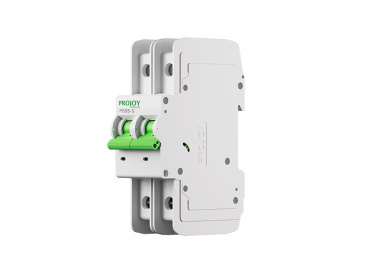
PEBS-S-80 (UL)
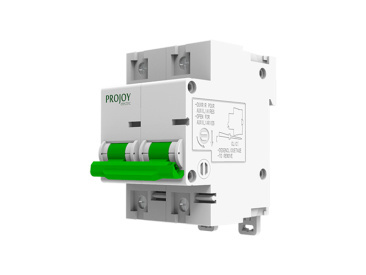
PEBS-L (80V/160V,63A/125A)
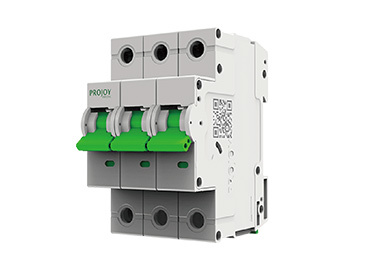
PEBS-H (250-1000V,63A/125A)
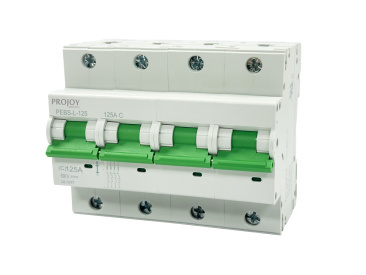
PEBS-L-125 (UL1077)

PEBS-H-50
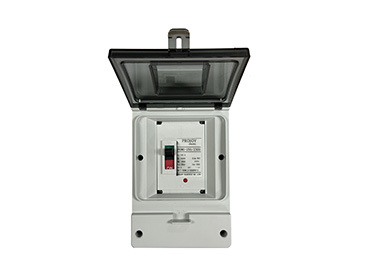
Weatherproof Enclosure (PEMC Series )

DC MCCB (PEMC Series)
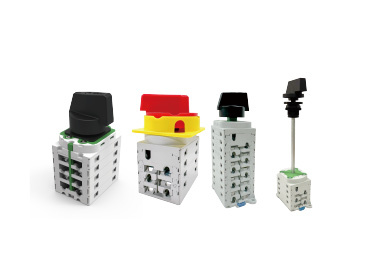
PEDS (1500V,16~55A) Series
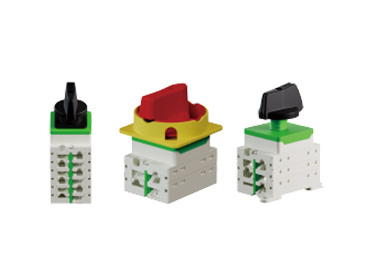
PEDS-H-R/F (1500V,16~55A) Series
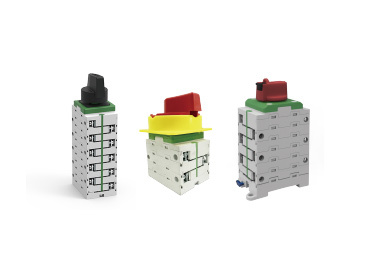
PEDS-H (1500V;40A,50A) Series
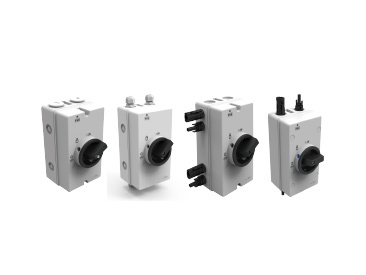
PEDS-EL (16~55A) / PEDSC-EL (32A)
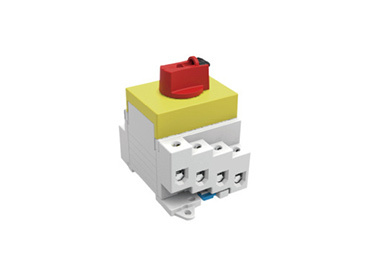
PEDSC (1000V&1200V;32A) Series
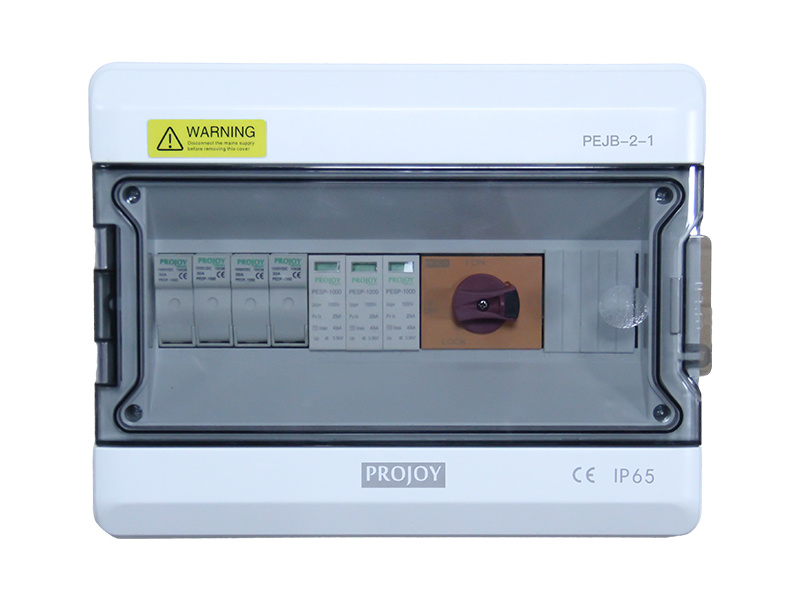
DC Combiner Box (PEJB Series)
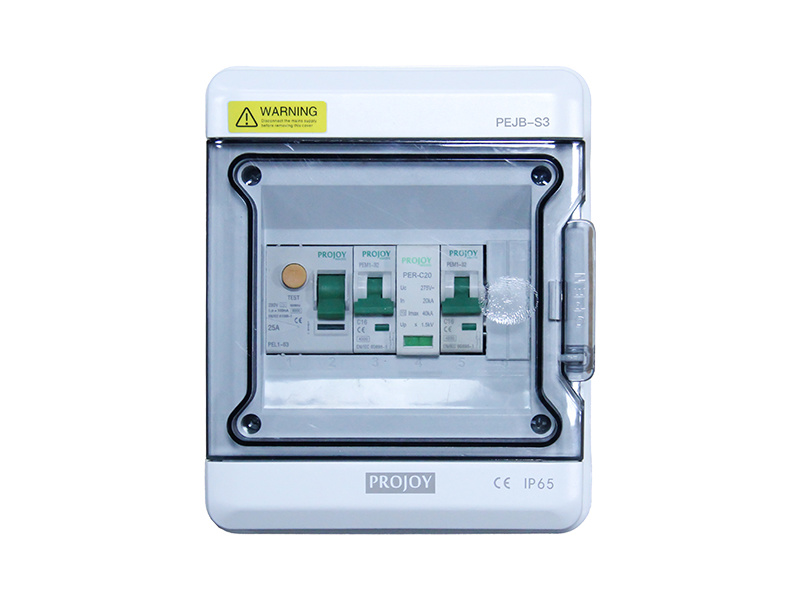
AC Combiner Box (PEDB Series)

DC&AC Combiner Box (PEJDB Series)

EPS Box
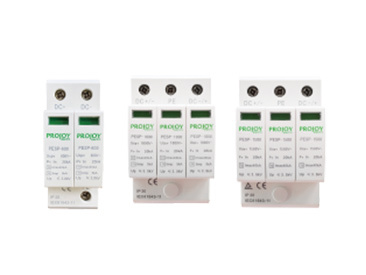
DC SPD PESP Series (Standard)
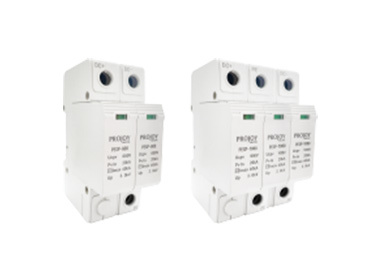
DC SPD PESP Series (Advanced)
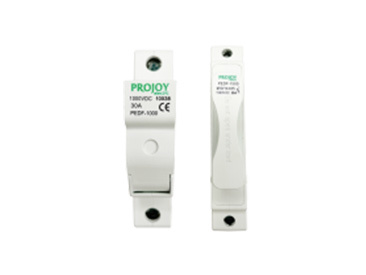
DC FUSE (PEDF Series)

DC Contactor (PEDC Series)
-
-
-
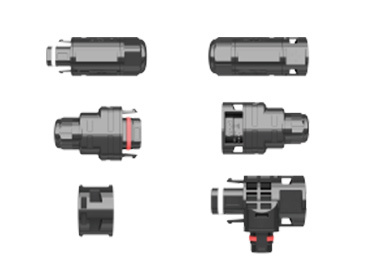

The Critical Role of Maintenance in Ensuring Optimal Performance of Energy Storage System Components
The Critical Role of Maintenance in Ensuring Optimal Performance of Energy Storage System Components
Table of Contents
- Introduction to Energy Storage Systems
- The Importance of Maintenance for Energy Storage Systems
- Key Components Requiring Regular Maintenance
- Batteries: The Heart of Energy Storage
- Chargers: Ensuring Efficiency in Charging Cycles
- Inverters: Converting Energy Effectively
- Best Practices for Maintenance of Energy Storage Systems
- Common Issues and How to Mitigate Them
- Safety Considerations in Maintenance
- Future Trends in Energy Storage Maintenance
- Conclusion: The Path to a Reliable Energy Storage System
- Frequently Asked Questions (FAQs)
Introduction to Energy Storage Systems
Energy storage systems (ESS) play a pivotal role in modern energy management, enabling the efficient capture, storage, and utilization of energy. These systems are essential for balancing supply and demand, integrating renewable energy sources, and providing backup power during outages. Components of an ESS include batteries, chargers, inverters, and various control systems, which work together to ensure optimal performance. However, without proper maintenance, these components can underperform or fail.
The Importance of Maintenance for Energy Storage Systems
Ensuring the longevity and efficiency of energy storage systems is directly linked to regular maintenance practices. Neglecting maintenance can result in decreased performance and potential system failures. Routine upkeep helps in identifying problems early, optimizing performance, and enhancing reliability, thereby safeguarding investments in energy storage technology. Here’s why maintenance is crucial:
1. Enhancing System Efficiency
Regular maintenance allows for the identification and correction of inefficiencies within the system. For example, ensuring batteries are correctly charged and discharged can maximize their lifespan and performance.
2. Extending Component Lifespan
Components like batteries and inverters are significant investments. Routine maintenance can help extend their operational lifespan, reducing the need for costly replacements.
3. Ensuring Safety
Energy storage systems can pose safety risks if not maintained properly. Ensuring that systems are regularly inspected can mitigate risks such as overheating, leaks, and potential fires.
4. Cost Savings
Preventive maintenance can lead to significant cost savings by avoiding emergency repairs and replacements, which often come at a premium.
Key Components Requiring Regular Maintenance
Energy storage systems consist of various components, each requiring specific maintenance practices to ensure optimal functionality.
Batteries: The Heart of Energy Storage
Batteries are at the core of any energy storage system. Regular checks should include:
- **Voltage and Capacity Testing:** Ensuring batteries maintain their voltage and charge capacity is critical for performance.
- **Inspection for Corrosion:** Corrosion can impede connections and lead to efficiency losses.
- **Temperature Monitoring:** Excessive heat can degrade battery performance; therefore, maintaining optimal temperature levels is essential.
Chargers: Ensuring Efficiency in Charging Cycles
Chargers play a crucial role in managing how batteries are charged. Maintenance includes:
- **Calibration Checks:** Ensuring chargers are correctly calibrated to prevent overcharging or undercharging batteries.
- **Cable Inspections:** Regularly inspect cables for wear and tear, as damaged cables can lead to inefficient charging.
Inverters: Converting Energy Effectively
Inverters convert stored energy into usable power. To maintain their efficiency, consider:
- **Firmware Updates:** Keeping inverter firmware up to date can enhance performance and security.
- **Visual Inspections:** Regular checks for physical damage, dust accumulation, and ensuring cooling fans are operational.
Best Practices for Maintenance of Energy Storage Systems
To ensure the longevity and efficiency of energy storage systems, follow these best practices:
1. Develop a Maintenance Schedule
Creating a comprehensive maintenance schedule tailored to specific components can help streamline upkeep efforts. This should include daily, weekly, monthly, and yearly tasks.
2. Keep Detailed Records
Maintaining detailed maintenance logs helps in tracking performance trends and identifying recurring issues. This data is invaluable for preventive measures and future upgrades.
3. Engage Professional Services
While some maintenance tasks can be performed in-house, engaging professional services for complex systems can provide a more thorough inspection and maintenance routine.
4. Educate Staff
Training staff on the importance of maintenance and proper handling of energy storage components can drastically reduce the chances of human error during operation.
Common Issues and How to Mitigate Them
Despite best efforts, energy storage systems can encounter issues. Being aware of common problems and how to mitigate them is crucial:
1. Battery Degradation
Over time, batteries can lose their effectiveness. Mitigation strategies include adhering to proper charging practices and maintaining optimal temperature ranges.
2. Charger Malfunctions
Chargers can fail, leading to battery issues. Regular inspections can help identify potential problems before they escalate.
3. Inverter Failures
Inverters may fail due to electrical faults or overheating. Keeping the system well-ventilated and monitoring operational parameters can help prevent these failures.
Safety Considerations in Maintenance
Safety should always be a priority when maintaining energy storage systems. Consider the following:
1. Personal Protective Equipment (PPE)
Always wear appropriate PPE such as gloves, goggles, and protective clothing when handling batteries or working on electrical components.
2. Proper Handling Techniques
Follow recommended procedures for lifting heavy batteries and equipment to prevent injuries.
3. Emergency Protocols
Having emergency response protocols in place can mitigate risks during maintenance operations and ensure quick responses to any incidents.
Future Trends in Energy Storage Maintenance
As technology continues to evolve, so do maintenance practices for energy storage systems. Future trends include:
1. Predictive Maintenance
Utilizing data analytics and machine learning to predict potential failures before they occur, allowing for proactive maintenance measures.
2. Remote Monitoring
The rise of IoT technologies enables remote monitoring of energy storage systems, facilitating real-time diagnostics and maintenance needs.
3. Standardization of Maintenance Protocols
Industry-wide standards for maintenance practices are likely to emerge, ensuring consistency and safety across all energy storage systems.
Conclusion: The Path to a Reliable Energy Storage System
In conclusion, the maintenance of energy storage system components is not just a best practice; it is a necessity. By prioritizing maintenance, we can enhance efficiency, extend the lifespan of critical components, and ensure safety in energy management. With a proactive approach and adherence to best practices, organizations can optimize their energy storage systems for maximum performance and reliability.
Frequently Asked Questions (FAQs)
1. How often should energy storage systems be maintained?
Routine maintenance should be conducted based on a schedule that includes daily, monthly, and annual tasks tailored to specific components.
2. What are signs of battery degradation?
Common signs include reduced capacity, longer charging times, and physical swelling or leakage.
3. Can I perform maintenance on my energy storage system myself?
While some tasks are manageable, it is advisable to consult professionals for complex maintenance to ensure safety and effectiveness.
4. What tools are needed for maintaining energy storage systems?
Basic tools include multimeters, torque wrenches, insulation testers, and cleaning supplies for terminals and connections.
5. Are there regulations governing energy storage system maintenance?
Yes, various regulations and standards apply, varying by region, and it's essential to stay informed about local guidelines for compliance.
More News
A professional electrical equipment manufacturer & Solar Safety Solution provider.


Copyright © 2025 Projoy Electric Co., Ltd.
Subscribe to our newsletter
Promotions, new products and sales. Directly to your inbox.