
-
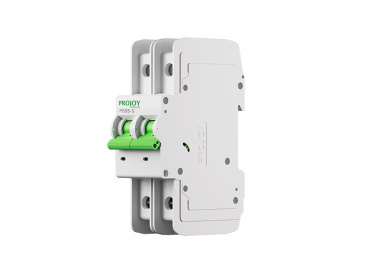
PEBS-S-80 (UL)
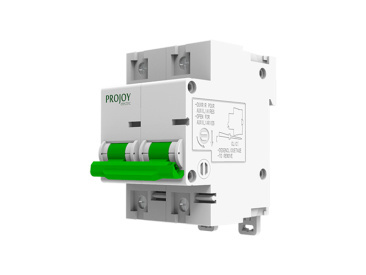
PEBS-L (80V/160V,63A/125A)
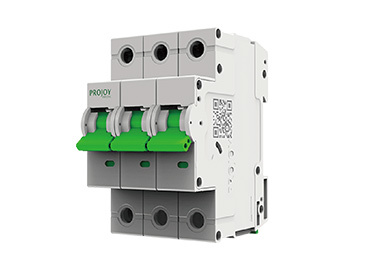
PEBS-H (250-1000V,63A/125A)
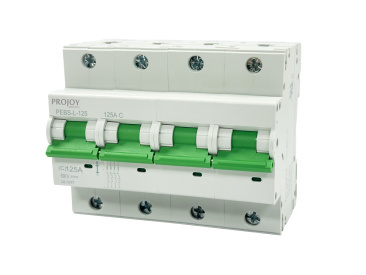
PEBS-L-125 (UL1077)

PEBS-H-50
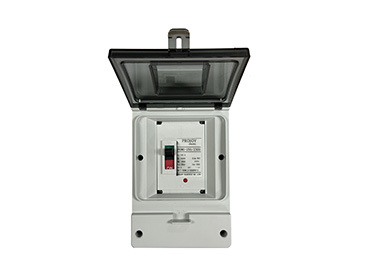
Weatherproof Enclosure (PEMC Series )

DC MCCB (PEMC Series)
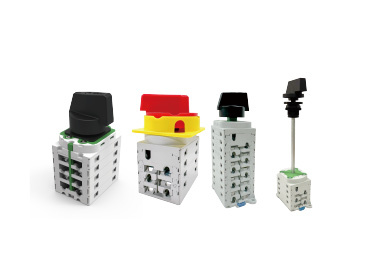
PEDS (1500V,16~55A) Series
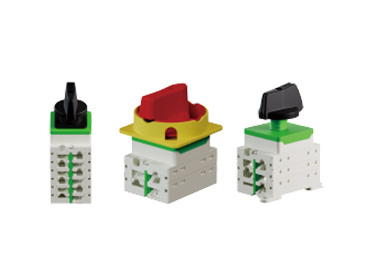
PEDS-H-R/F (1500V,16~55A) Series
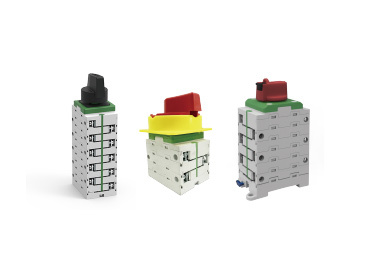
PEDS-H (1500V;40A,50A) Series
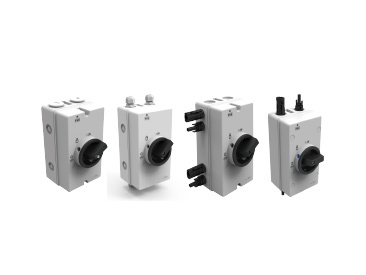
PEDS-EL (16~55A) / PEDSC-EL (32A)
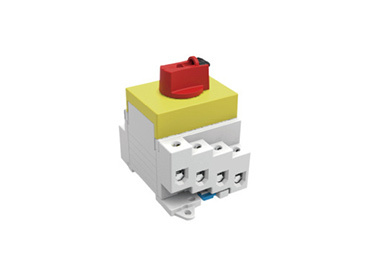
PEDSC (1000V&1200V;32A) Series
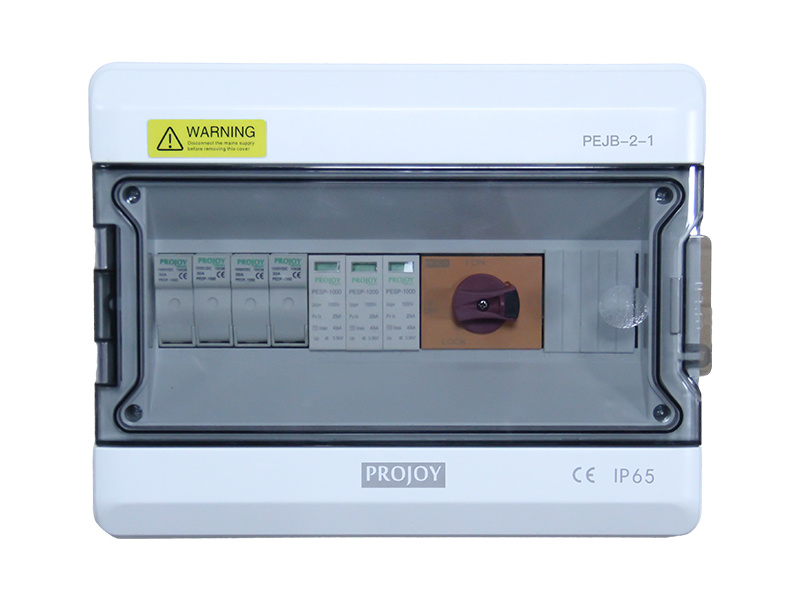
DC Combiner Box (PEJB Series)
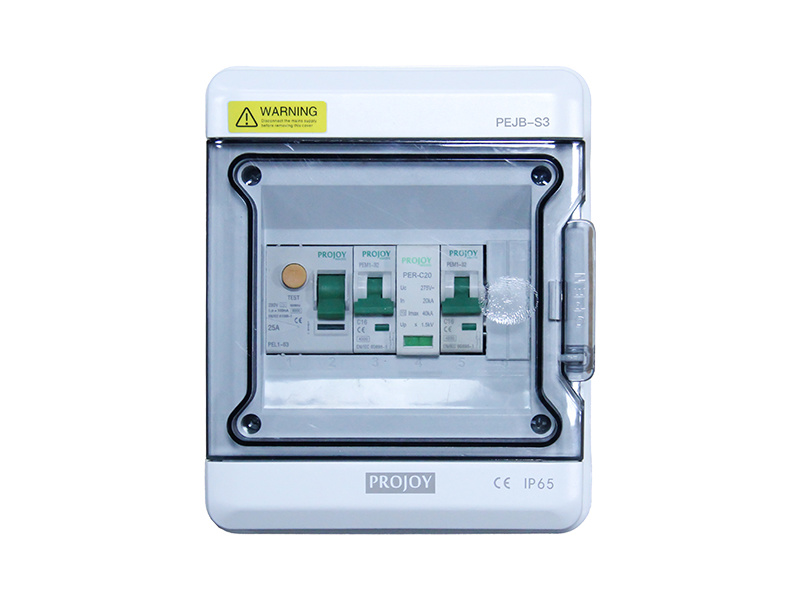
AC Combiner Box (PEDB Series)

DC&AC Combiner Box (PEJDB Series)

EPS Box
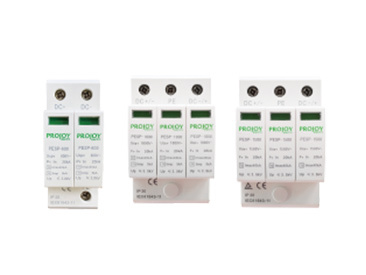
DC SPD PESP Series (Standard)
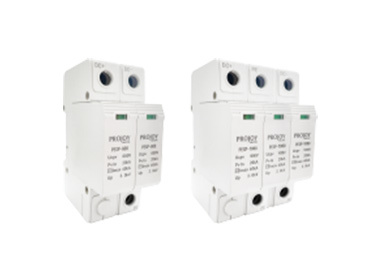
DC SPD PESP Series (Advanced)
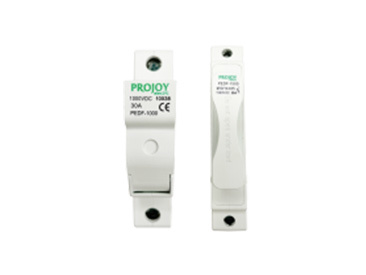
DC FUSE (PEDF Series)

DC Contactor (PEDC Series)
-
-
-
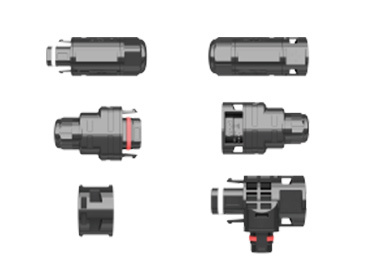

Essential Features to Look for in a DC Isolation Switch: A Comprehensive Guide
Essential Features to Look for in a DC Isolation Switch
When it comes to electrical installations, the DC isolation switch plays a pivotal role in ensuring safety and efficiency. This guide will cover the **essential features** to consider when selecting a DC isolation switch, helping you make an informed decision for your applications.
Understanding DC Isolation Switches
DC isolation switches are designed to disconnect the electrical circuit from the power source, providing a safe way to perform maintenance or repairs. They are essential for both safety and operational efficiency, particularly in renewable energy systems like solar panels.
What is a DC Isolation Switch?
A DC isolation switch is a mechanism that controls the flow of direct current (DC) electricity within a circuit. By isolating parts of an electrical system, it ensures that maintenance personnel can work safely without the risk of electrical shock. Unlike AC switches, which alternate current, DC switches must handle constant electrical flow without interruption.
Why Are DC Isolation Switches Important?
DC isolation switches are crucial for ensuring system reliability and safety. They provide a simple yet effective means to ensure that circuits can be safely de-energized. This is particularly important in environments where maintenance is frequently required, such as solar energy systems or battery storage facilities.
Key Features to Look for in a DC Isolation Switch
Selecting the right DC isolation switch involves evaluating several key features. Below are the most important characteristics to consider, which can significantly impact performance and safety.
1. Rated Voltage and Current
One of the first things to consider is the rated voltage and current of the isolation switch. Ensure that the switch can handle the maximum voltage and current your system requires. Overrating can lead to switch failure and might even pose safety risks.
2. Safety Standards Compliance
Safety should always be a priority. Look for switches that comply with relevant safety standards such as IEC 60947-3 for low-voltage switchgear. Compliance with these standards ensures that the switch has undergone rigorous testing for safety and reliability.
Importance of UL Certification
In addition to international standards, UL certification is highly regarded in North America. A UL-certified switch has been tested for safety and can reduce liability risks during installations.
3. Material Quality
The material used in the construction of the DC isolation switch impacts its performance and lifespan. Switches made from high-quality materials such as stainless steel or durable plastics can withstand harsh environments and resist corrosion, ensuring longevity in outdoor applications.
4. Mechanical and Electrical Life
Evaluate the mechanical and electrical life ratings of the isolation switch. The mechanical life refers to the number of operations the switch can perform without failure, while electrical life refers to its performance under load. A switch with a high rating in both categories reduces the need for frequent replacements.
5. Temperature Rating
DC isolation switches are often used in environments with varying temperature conditions. Check the operating temperature range specified by the manufacturer to ensure that the switch can function effectively without degrading over time.
Impact of Extreme Temperatures
Extreme temperatures can affect both the performance and safety of switches. A high-quality isolation switch should remain operational in cold winters and hot summers without compromising performance.
6. Ease of Installation
Installation should be straightforward to minimize labor costs and downtime. Look for switches that come with clear installation instructions and require minimal additional equipment. Some models feature compact designs that fit into tight spaces, which can save valuable installation time and effort.
7. Visibility and Accessibility
In emergencies, quick access to the DC isolation switch can save lives. Consider switches that are designed for easy visibility and can be operated without tools. Some models even feature lockable mechanisms to prevent unauthorized access.
8. Maintenance Requirements
Choose a switch that requires minimal maintenance. Regular inspections are essential, but some switches are designed to function for extended periods without the need for frequent servicing. Look for features like self-cleaning contacts to reduce maintenance needs.
The Installation Process of a DC Isolation Switch
To maximize the benefits of a DC isolation switch, proper installation is critical. Below are the steps typically involved in the installation process.
Preparation
Before installation, gather all necessary tools and materials. Understand the electrical circuit layout and ensure that the power source is disconnected.
Mounting the Switch
Follow the manufacturer's guidelines for mounting the switch. Ensure that it is securely fastened and positioned for easy access while adhering to local electrical codes.
Connecting the Wires
Carefully connect the wires according to the specifications. Double-check that connections are tight to avoid poor conductivity, which can lead to overheating or failure.
Testing the Installation
Once installed, conduct a thorough test of the isolation switch. Verify that it operates correctly under both no-load and load conditions. This step is crucial for confirming that the installation is safe.
Frequently Asked Questions (FAQs)
1. What is the difference between AC and DC isolation switches?
DC isolation switches are designed to handle constant current, while AC switches are made for alternating current. This difference affects their design and functionality.
2. How often should I inspect my DC isolation switch?
Regular inspections are recommended at least once a year, but more frequent checks may be necessary in harsh environments.
3. Can I use an AC isolation switch for DC applications?
No, AC isolation switches are not recommended for DC applications due to differences in electrical characteristics.
4. What are the signs of a failing DC isolation switch?
Signs include difficulty in operation, unusual noises during switching, or visible damage. If detected, replace the switch immediately to ensure safety.
5. Are there specific brands known for high-quality DC isolation switches?
Yes, brands that focus on electrical safety and reliability, such as Schneider Electric, ABB, and Siemens, are often recommended for their quality products.
Conclusion
Selecting the right DC isolation switch is paramount for ensuring safety and efficiency in any electrical system. By considering features such as rated voltage, safety standards, material quality, and ease of installation, you can make a well-informed decision that meets your specific needs. Always prioritize safety and compliance with industry standards to protect both personnel and equipment. With the right isolation switch, you can enhance the reliability and longevity of your electrical systems, paving the way for a safer work environment.
More News
A professional electrical equipment manufacturer & Solar Safety Solution provider.


Copyright © 2025 Projoy Electric Co., Ltd.
Subscribe to our newsletter
Promotions, new products and sales. Directly to your inbox.