
-
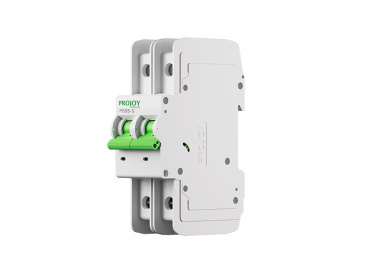
PEBS-S-80 (UL)
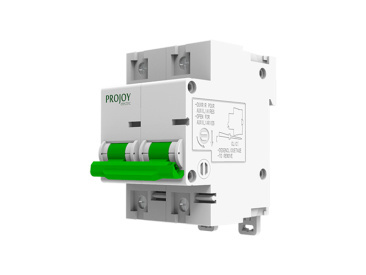
PEBS-L (80V/160V,63A/125A)
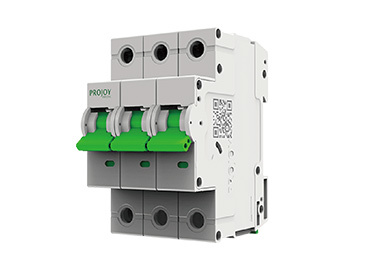
PEBS-H (250-1000V,63A/125A)
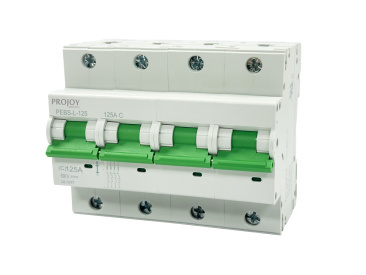
PEBS-L-125 (UL1077)

PEBS-H-50
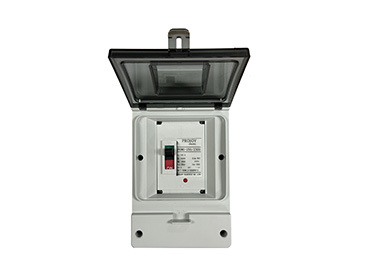
Weatherproof Enclosure (PEMC Series )

DC MCCB (PEMC Series)
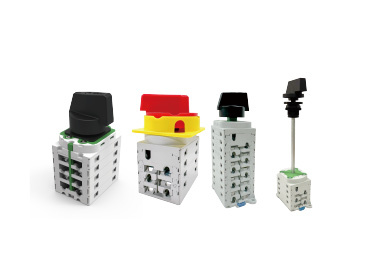
PEDS (1500V,16~55A) Series
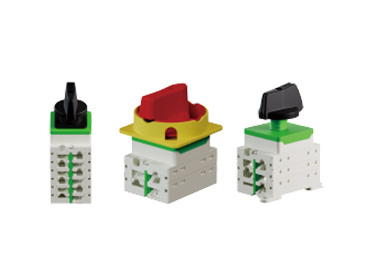
PEDS-H-R/F (1500V,16~55A) Series
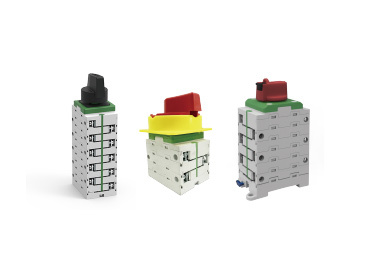
PEDS-H (1500V;40A,50A) Series
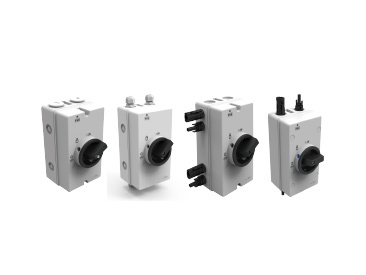
PEDS-EL (16~55A) / PEDSC-EL (32A)
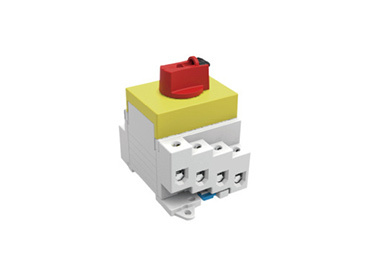
PEDSC (1000V&1200V;32A) Series
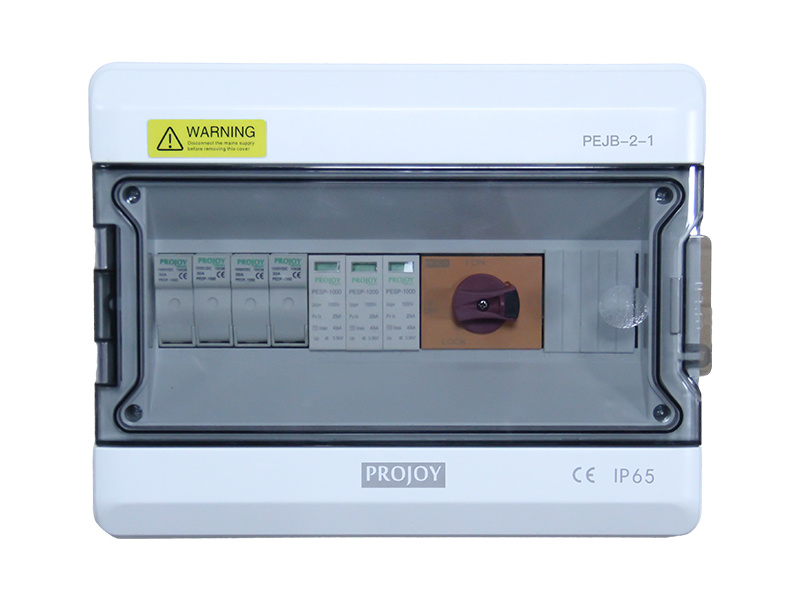
DC Combiner Box (PEJB Series)
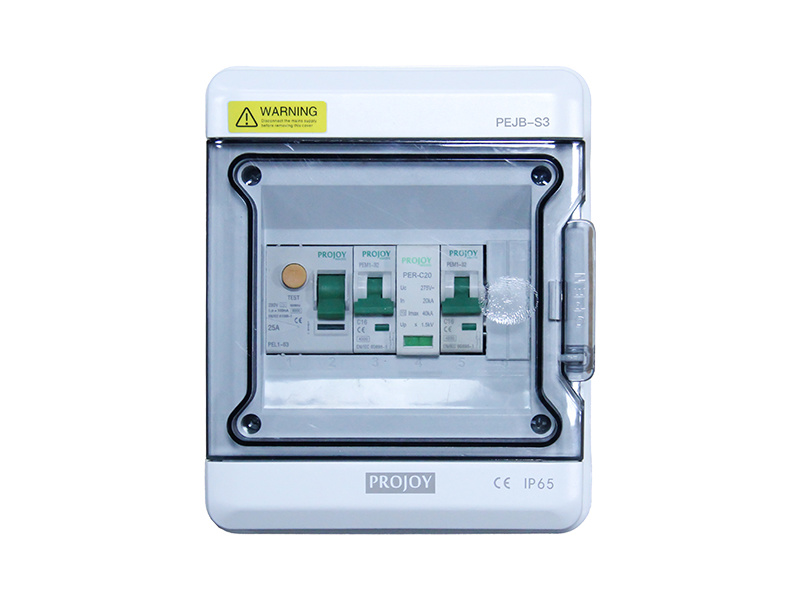
AC Combiner Box (PEDB Series)

DC&AC Combiner Box (PEJDB Series)

EPS Box
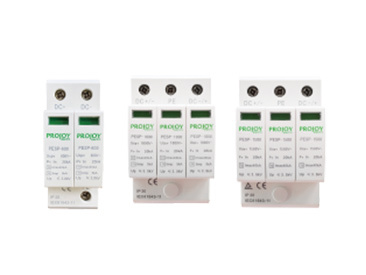
DC SPD PESP Series (Standard)
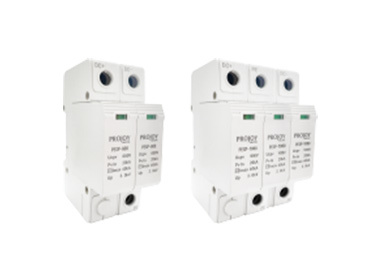
DC SPD PESP Series (Advanced)
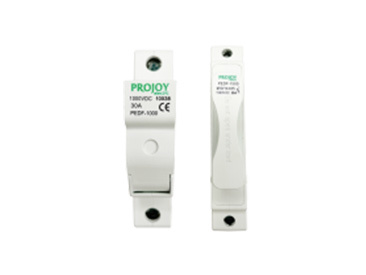
DC FUSE (PEDF Series)

DC Contactor (PEDC Series)
-
-
-
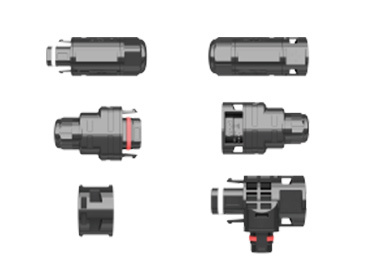

How to Assess the Quality of Energy Storage System Components: A Comprehensive Guide
How to Assess the Quality of Energy Storage System Components
Table of Contents
- Introduction to Energy Storage Systems
- The Importance of Quality in Energy Storage Systems
- Key Components of Energy Storage Systems
- Criteria for Assessing Quality
- Testing Methods for Quality Assessment
- Certifications and Standards
- Conclusion
- FAQs
Introduction to Energy Storage Systems
Energy storage systems (ESS) play a pivotal role in the modern energy landscape. They provide the capability to store energy generated from various sources, such as renewables, and deliver it when needed. This ability to balance supply and demand is crucial for both grid stability and the efficient operation of numerous applications, from residential energy management to large-scale industrial operations.
Assessing the quality of the components that make up energy storage systems is essential to ensure reliability, efficiency, and safety. In this article, we delve into the various components of energy storage systems, criteria for quality assessment, and industry best practices.
The Importance of Quality in Energy Storage Systems
Ensuring high-quality components in energy storage systems cannot be overstated. Poor-quality components can lead to decreased performance, increased risk of failure, and potentially dangerous situations. For instance, low-quality batteries may suffer from rapid degradation, resulting in reduced capacity and performance. On the other hand, high-quality components contribute to:
- **Enhanced performance**: Better efficiency and reliability in energy storage systems, leading to cost savings.
- **Increased safety**: Reduced risks of thermal runaway and battery failure.
- **Longevity**: Improved lifespan of the system, minimizing replacement costs and environmental impact.
Understanding how to assess quality helps stakeholders make informed decisions in energy storage applications, ensuring optimal performance and safety.
Key Components of Energy Storage Systems
Energy storage systems consist of several critical components, each with its own role and importance.
Understanding Batteries
Batteries are the core of any energy storage system. The quality of batteries can significantly impact the overall performance of the system. Key factors to consider when assessing battery quality include:
- **Chemistry**: Different battery chemistries (e.g., lithium-ion, lead-acid, nickel-cadmium) have varying characteristics that affect performance, safety, and lifespan.
- **Capacity**: The amount of energy a battery can store, typically measured in ampere-hours (Ah) or watt-hours (Wh).
- **Cycle Life**: The number of charge and discharge cycles a battery can undergo before its capacity diminishes significantly.
- **Self-discharge Rate**: The rate at which a battery loses charge while not in use, affecting its reliability.
Evaluating Chargers
Chargers play an essential role in energy storage systems, impacting the efficiency and safety of battery charging. When assessing the quality of chargers, consider the following:
- **Charging Speed**: The time it takes to fully charge a battery, which can affect system availability.
- **Compatibility**: Ensure the charger is suitable for the specific battery chemistry and configuration.
- **Safety Features**: Look for features like over-voltage protection, temperature monitoring, and short-circuit protection to prevent accidents during charging.
The Role of Inverters
Inverters convert direct current (DC) from batteries into alternating current (AC) for use in homes and businesses. Quality assessment of inverters includes:
- **Efficiency**: Higher efficiency in converting DC to AC leads to less energy wastage.
- **Load Capacity**: The maximum power output should meet the requirements of the connected load.
- **Waveform Quality**: Pure sine wave output is preferable for sensitive electronic devices.
Criteria for Assessing Quality
Several criteria can be used to evaluate the quality of energy storage system components.
Performance Metrics
Performance metrics are vital in judging the effectiveness of energy storage components. Key metrics include:
- **Energy Density**: The amount of energy stored per unit volume or weight, affecting system design and placement flexibility.
- **Power Density**: The rate at which energy can be delivered, influencing responsiveness and suitability for various applications.
- **Efficiency Ratings**: The round-trip efficiency is crucial, indicating how much energy is lost during storage and retrieval.
Safety Standards
Safety should always be a top priority when assessing energy storage components. Key safety standards include:
- **UL Certification**: Underwriters Laboratories (UL) certification ensures that products meet rigorous safety standards.
- **IEC Standards**: International Electrotechnical Commission (IEC) standards provide guidelines for safe design and use of electrical components.
Durability and Lifespan
Assessing the durability of energy storage components is crucial for long-term performance. Factors to consider include:
- **Environmental Tolerance**: Components should withstand various environmental conditions, such as temperature fluctuations and humidity.
- **Material Quality**: High-quality materials can enhance durability and reduce the risk of failure.
Testing Methods for Quality Assessment
To ensure that energy storage components meet quality standards, various testing methods can be employed.
Laboratory Testing
Laboratory testing provides controlled conditions to assess component performance. Tests may include:
- **Cycle Testing**: To determine how many charge and discharge cycles a component can endure.
- **Temperature Stress Testing**: To evaluate performance under extreme temperature conditions.
Field Testing
Field testing involves assessing components in real-world conditions. This method provides valuable insights into how components perform outside of controlled environments. It often includes:
- **Long-term Performance Monitoring**: Tracking system performance over time to identify any trends or issues.
- **Real-time Data Collection**: Utilizing sensors to gather data on efficiency, safety, and operational reliability.
Certifications and Standards
Certifications play a crucial role in ensuring that energy storage components meet industry standards. Popular certifications include:
- **ISO 9001**: Indicates a commitment to quality management systems.
- **CE Marking**: Ensures compliance with European health, safety, and environmental protection standards.
Selecting components with recognized certifications can enhance confidence in their reliability and performance.
Conclusion
Assessing the quality of energy storage system components is critical for ensuring optimal performance, safety, and longevity. By understanding the various components, evaluation criteria, testing methods, and certifications, stakeholders can make informed choices that lead to successful energy storage solutions. Investing time and resources into quality assessment will ultimately yield significant benefits, enhancing operational efficiency and sustainability.
FAQs
1. What are the common batteries used in energy storage systems?
The most common batteries include lithium-ion, lead-acid, and nickel-cadmium, each with distinct advantages and disadvantages.
2. How can I improve the lifespan of my energy storage system?
Regular maintenance, proper charging practices, and selecting high-quality components can significantly enhance the lifespan of your energy storage system.
3. What is the significance of cycle life in batteries?
Cycle life refers to the number of complete charge and discharge cycles a battery can undergo before its capacity significantly decreases. A longer cycle life indicates better durability and value.
4. How do I know if my charger is compatible with my battery?
Check the manufacturer's specifications for both the battery and charger to ensure compatibility in terms of voltage, chemistry, and charging speed.
5. Why is safety certification important for energy storage components?
Safety certifications ensure that components meet established safety standards, reducing the risk of failure and accidents.
More News
A professional electrical equipment manufacturer & Solar Safety Solution provider.


Copyright © 2025 Projoy Electric Co., Ltd.
Subscribe to our newsletter
Promotions, new products and sales. Directly to your inbox.