
-
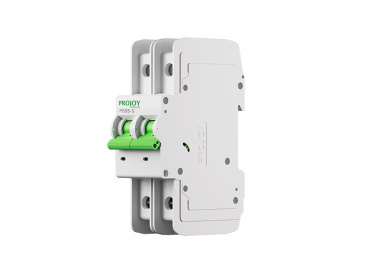
PEBS-S-80 (UL)
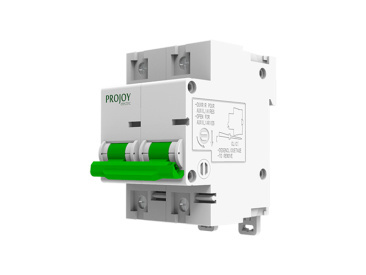
PEBS-L (80V/160V,63A/125A)
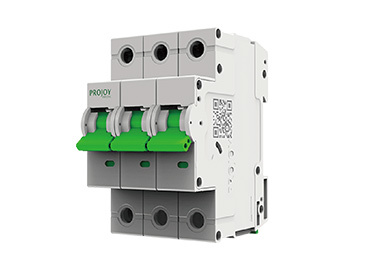
PEBS-H (250-1000V,63A/125A)
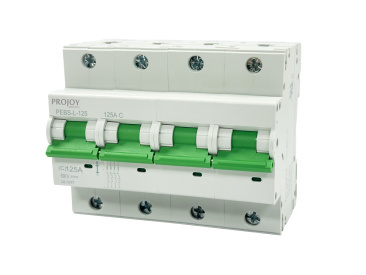
PEBS-L-125 (UL1077)

PEBS-H-50
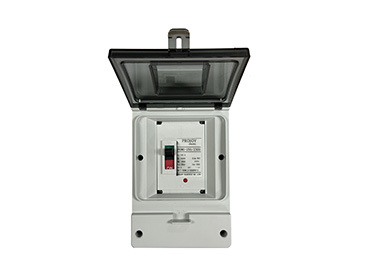
Weatherproof Enclosure (PEMC Series )

DC MCCB (PEMC Series)
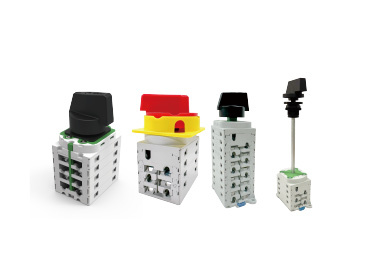
PEDS (1500V,16~55A) Series
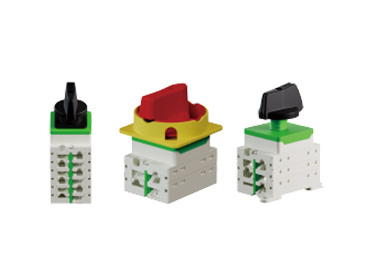
PEDS-H-R/F (1500V,16~55A) Series
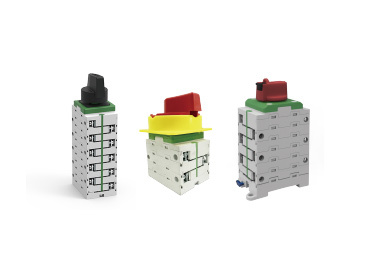
PEDS-H (1500V;40A,50A) Series
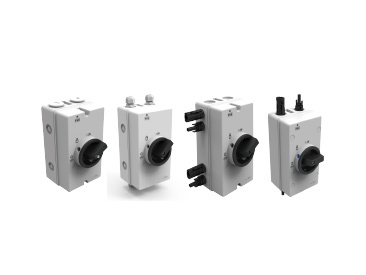
PEDS-EL (16~55A) / PEDSC-EL (32A)
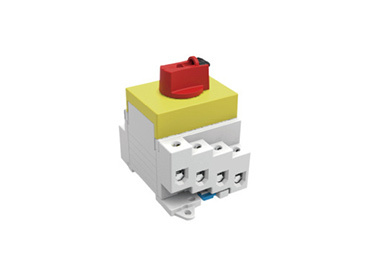
PEDSC (1000V&1200V;32A) Series
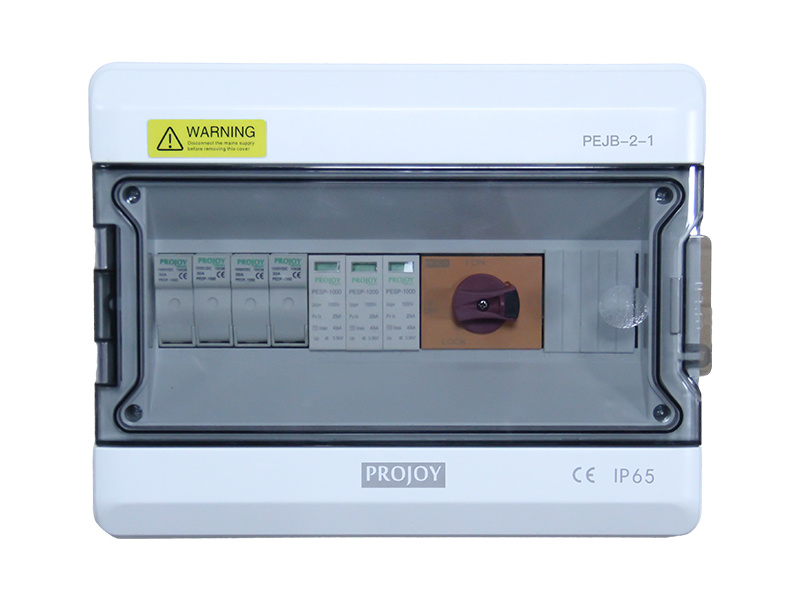
DC Combiner Box (PEJB Series)
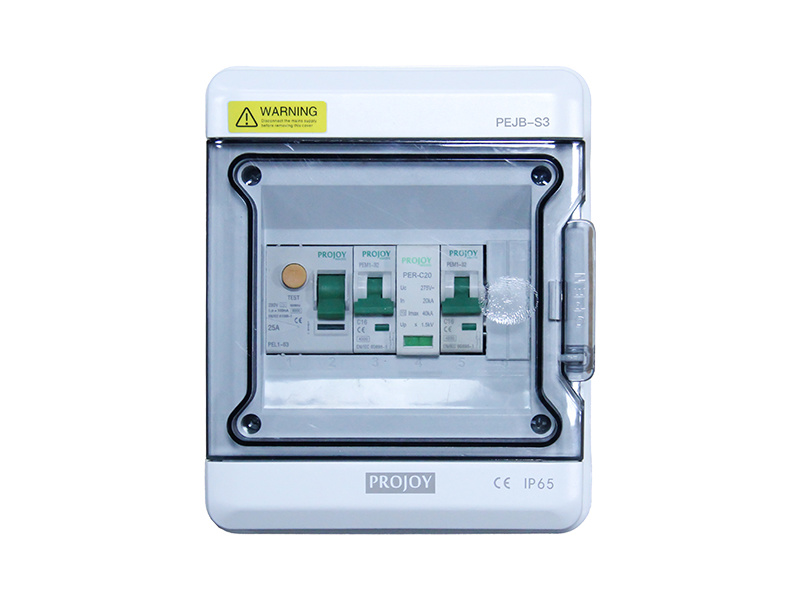
AC Combiner Box (PEDB Series)

DC&AC Combiner Box (PEJDB Series)

EPS Box
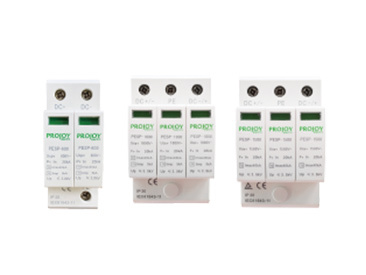
DC SPD PESP Series (Standard)
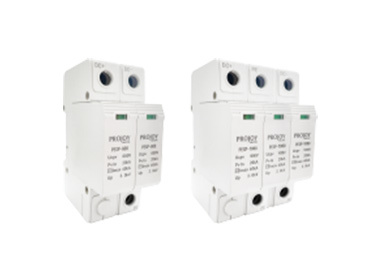
DC SPD PESP Series (Advanced)
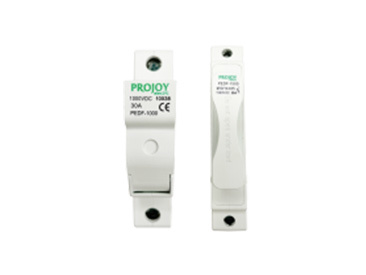
DC FUSE (PEDF Series)

DC Contactor (PEDC Series)
-
-
-
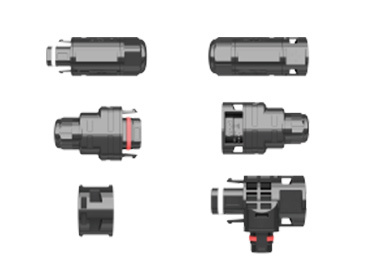

AC Connectors vs DC Connectors: Understanding Their Key Differences and Applications
AC Connectors vs DC Connectors: Understanding Their Key Differences and Applications
Table of Contents
- Introduction
- What Are AC Connectors?
- What Are DC Connectors?
- Key Differences Between AC and DC Connectors
- Applications of AC Connectors
- Applications of DC Connectors
- Choosing the Right Connector: AC vs. DC
- Safety Considerations in Using Connectors
- The Future of Electrical Connectors in Technology
- FAQs
- Conclusion
Introduction
In the realm of electrical engineering and installation, understanding the components that facilitate power transfer is essential. Among these components, connectors play a critical role, ensuring that electricity flows efficiently and safely from one device to another. **This article focuses on two primary types of connectors: AC (Alternating Current) connectors and DC (Direct Current) connectors.** We will explore their differences, applications, and considerations for their use in various settings.
What Are AC Connectors?
**AC connectors** are designed specifically for use with alternating current. In AC systems, the direction of the electrical current periodically reverses, which is characteristic of the electricity supplied to homes and businesses. These connectors are commonly used in residential and commercial applications to power devices such as lights, appliances, and HVAC systems.
AC connectors come in various forms, including:
- **NEMA connectors**: Widely used in North America, these connectors are identified by their specific configurations and ratings.
- **IEC connectors**: Common in Europe and internationally, IEC connectors are often used in power supplies for computers and other electronic devices.
The design of AC connectors ensures that they can handle the fluctuating nature of alternating current, which is crucial for maintaining a stable and reliable power supply.
What Are DC Connectors?
**DC connectors**, on the other hand, are tailored for direct current applications. In DC systems, the flow of electricity is unidirectional, making these connectors ideal for devices that require a stable and consistent voltage level. Common applications for DC connectors include battery-powered devices, solar panels, and various electronic circuits.
Types of DC connectors include:
- **Barrel connectors**: Frequently used for powering smaller devices such as laptops and LED lights.
- **Molex connectors**: Commonly used in computer hardware, especially for connecting power supplies to internal components.
The construction of DC connectors ensures minimal resistance and voltage drop, which is vital for the efficiency and longevity of connected devices.
Key Differences Between AC and DC Connectors
Understanding the differences between AC and DC connectors is essential for selecting the right type for your specific application. The primary distinctions can be summarized in the following categories:
Electrical Characteristics
- **Current Type**: AC connectors are designed for alternating current, while DC connectors are for direct current.
- **Voltage Levels**: AC voltage can vary widely, with standard household voltages typically between 120V and 240V. DC voltages are generally lower, often found in the range of 5V to 48V for most applications.
Design and Construction
- **Connector Design**: AC connectors often include features to prevent accidental disconnection during operation, such as locking mechanisms, while DC connectors can be more straightforward in design.
- **Insulation and Protection**: AC connectors typically require more robust insulation and protection due to higher voltage levels and the potential for arcing.
Application Suitability
- **Use Cases**: AC connectors are prevalent in residential power supply systems, while DC connectors are used in battery-operated devices, electronics, and renewable energy systems.
- **Device Compatibility**: Certain devices are designed exclusively for AC or DC power, necessitating the correct connector type for safe operation.
Applications of AC Connectors
AC connectors are widely used in various sectors, including:
Residential and Commercial Power Supply
In homes and businesses, AC connectors are essential for powering lighting fixtures, electrical outlets, and appliances. Their robust design ensures safety and reliability in everyday use.
Industrial Machinery
In manufacturing and industrial settings, AC connectors facilitate the operation of heavy machinery and equipment, often requiring high current levels and robust connections.
Consumer Electronics
Many consumer electronics, such as televisions and audio systems, utilize AC connectors to ensure efficient power delivery and performance.
Applications of DC Connectors
DC connectors are integral to several applications, including:
Battery-Powered Devices
From portable gadgets to electric vehicles, DC connectors are crucial for interfacing with battery systems, ensuring efficient power transfer and charging.
Renewable Energy Systems
In solar energy systems, DC connectors connect photovoltaic panels to inverters and battery storage, playing a significant role in energy conversion and storage.
Telecommunications Equipment
Many telecommunications devices, including routers and modems, rely on DC connectors for stable power supply, crucial for uninterrupted service.
Choosing the Right Connector: AC vs. DC
Selecting the appropriate connector depends on several factors:
Power Requirements
Consider the voltage and current requirements of your devices. AC connectors are suitable for higher voltage needs, while DC connectors are ideal for lower voltage applications.
Environmental Factors
Evaluate the operating environment. AC connectors may require additional safety features in industrial settings, while DC connectors should be chosen based on their compatibility with battery systems.
Device Compatibility
Ensure the chosen connector is compatible with the intended device. Mismatched connectors can lead to inefficiencies, potential damage, or safety hazards.
Safety Considerations in Using Connectors
Safety is paramount when working with electrical connectors. Here are essential safety tips:
Proper Installation
Always follow manufacturer guidelines for installation to ensure connections are secure and compliant with electrical codes.
Regular Inspection
Periodic inspections of connectors can prevent potential issues, such as overheating, corrosion, or wear.
Use of Protective Gear
When handling electrical connections, employ appropriate protective gear, such as insulated gloves and safety goggles, to minimize risks.
The Future of Electrical Connectors in Technology
As technology evolves, the demand for advanced electrical connectors continues to grow. Innovations in connector design are focusing on:
- **Miniaturization**: Smaller, more efficient connectors that save space while maintaining performance.
- **Smart Connectors**: Connectors integrated with sensing technologies that provide real-time monitoring and diagnostics.
- **Sustainability**: Eco-friendly materials and designs that reduce environmental impact while enhancing durability.
These advancements promise to improve the efficiency and reliability of electrical systems across various industries.
FAQs
What is the primary function of AC connectors?
AC connectors facilitate the transfer of alternating current to power various electrical devices, including home appliances and industrial machinery.
Can I use a DC connector for an AC device?
Using a DC connector for an AC device is not recommended, as it can lead to improper functioning and potential damage.
What are some common types of DC connectors?
Common types of DC connectors include barrel connectors and Molex connectors, widely used in battery-powered devices and computer hardware.
How do I determine the correct voltage rating for my connector?
Refer to the specifications of your device to identify its voltage requirements and ensure the connector matches or exceeds that rating.
What safety measures should I take when using electrical connectors?
Follow installation guidelines, regularly inspect connectors for wear, and use protective gear to ensure safe handling.
Conclusion
Understanding the differences between AC and DC connectors is crucial for anyone working with electrical systems. **AC connectors serve vital roles in powering homes and industrial equipment, while DC connectors are essential for battery-operated devices and renewable energy solutions.** By knowing the key differences, applications, and safety considerations, you can make informed decisions that enhance the efficiency and reliability of your electrical systems. As technology progresses, staying updated on connector advancements will further support your endeavors in the electrical field.
More News
A professional electrical equipment manufacturer & Solar Safety Solution provider.


Copyright © 2025 Projoy Electric Co., Ltd.
Subscribe to our newsletter
Promotions, new products and sales. Directly to your inbox.