
-
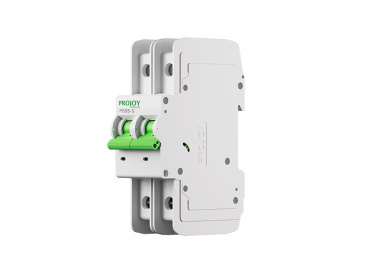
PEBS-S-80 (UL)
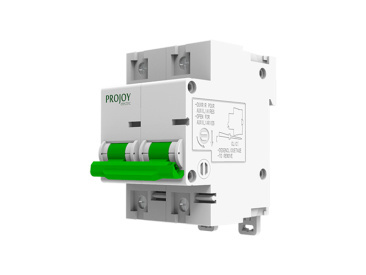
PEBS-L (80V/160V,63A/125A)
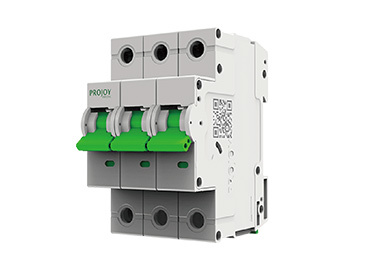
PEBS-H (250-1000V,63A/125A)
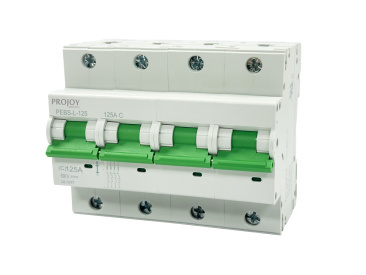
PEBS-L-125 (UL1077)

PEBS-H-50
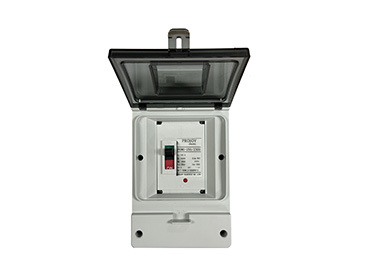
Weatherproof Enclosure (PEMC Series )

DC MCCB (PEMC Series)
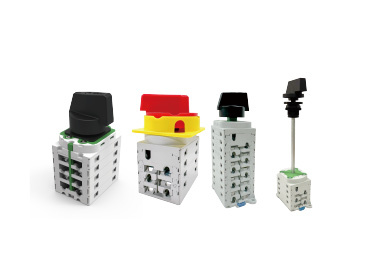
PEDS (1500V,16~55A) Series
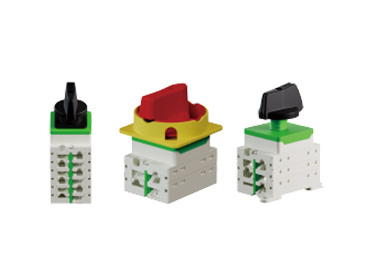
PEDS-H-R/F (1500V,16~55A) Series
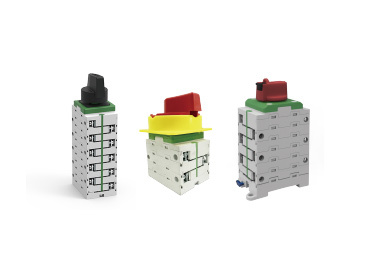
PEDS-H (1500V;40A,50A) Series
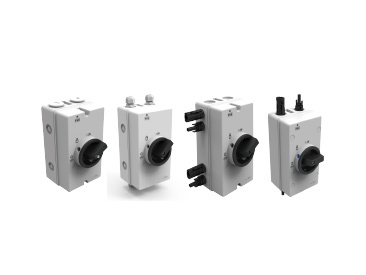
PEDS-EL (16~55A) / PEDSC-EL (32A)
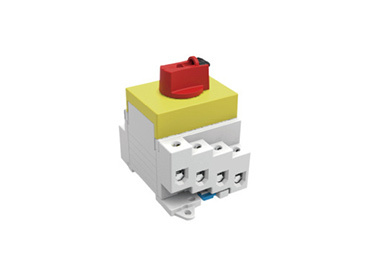
PEDSC (1000V&1200V;32A) Series
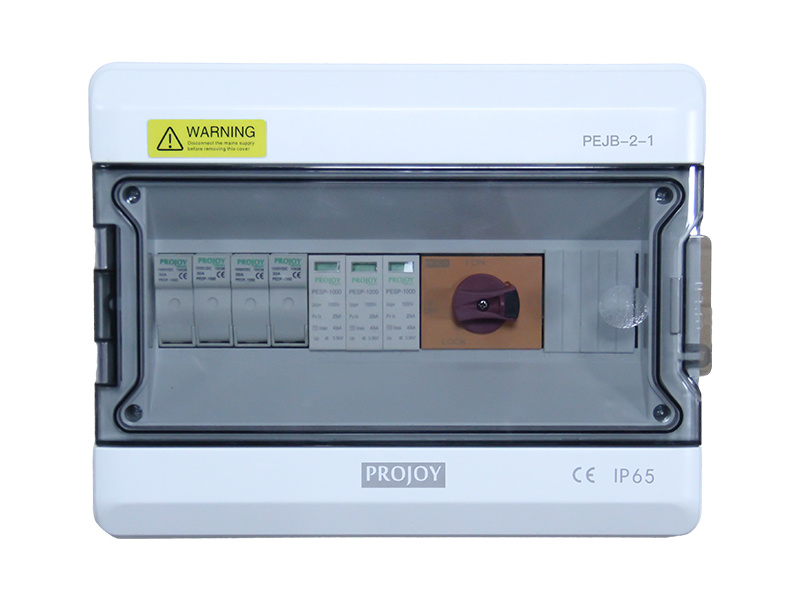
DC Combiner Box (PEJB Series)
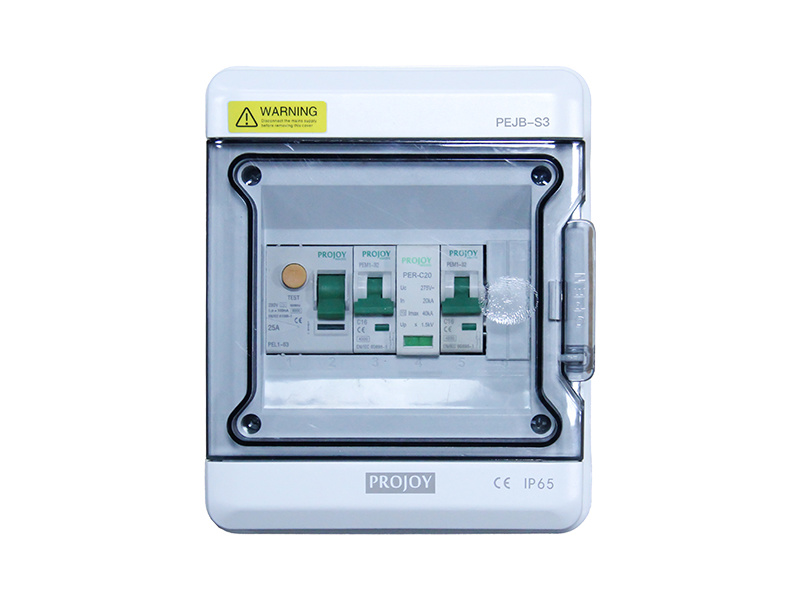
AC Combiner Box (PEDB Series)

DC&AC Combiner Box (PEJDB Series)

EPS Box
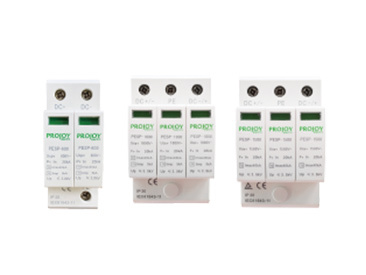
DC SPD PESP Series (Standard)
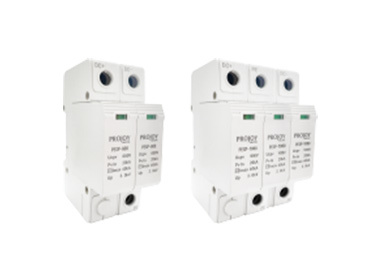
DC SPD PESP Series (Advanced)
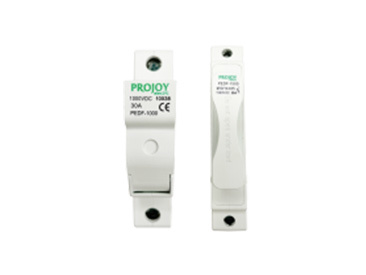
DC FUSE (PEDF Series)

DC Contactor (PEDC Series)
-
-
-
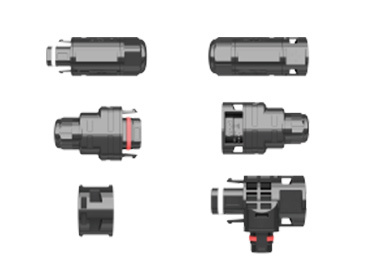

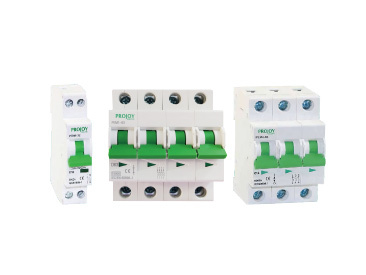
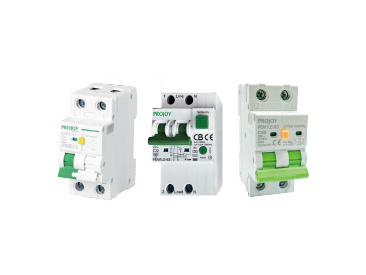
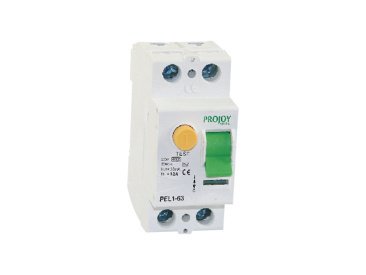
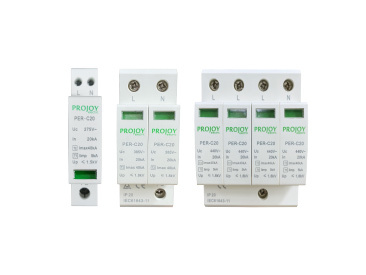

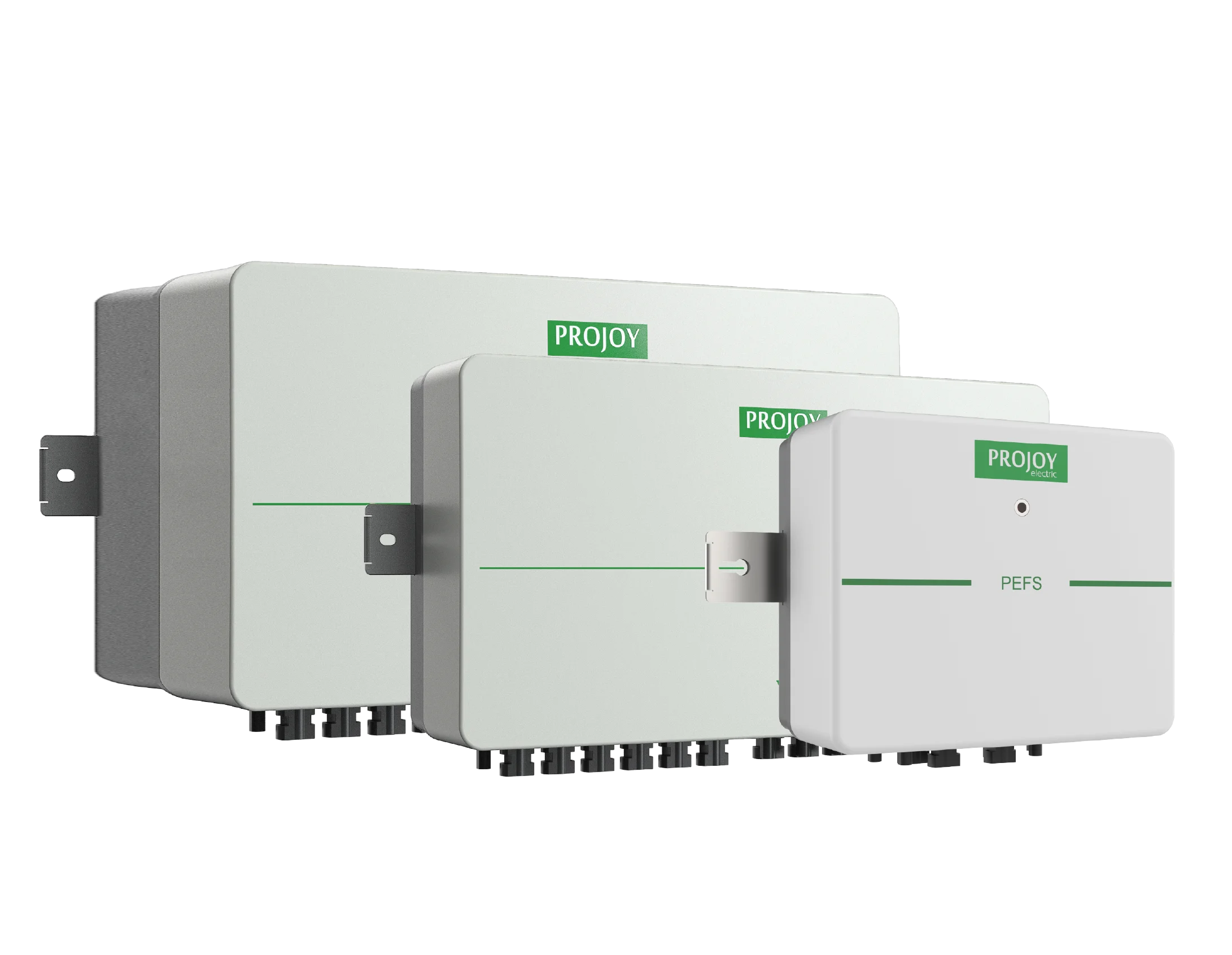

Understanding AC Connectors: Essential Components for Electrical Connections
AC connectors are specialized devices designed to establish electrical connections in alternating current (AC) applications. These connectors are integral in various sectors, including residential, commercial, and industrial environments, where the need for safe and dependable power delivery is paramount. Unlike direct current (DC) connectors, AC connectors are specifically engineered to handle the alternating nature of AC power, which oscillates in direction and magnitude.
One of the key features of AC connectors is their ability to maintain secure connections while accommodating the fluctuations inherent in AC systems. They are available in different configurations, including plug and socket types, which cater to various voltage and current ratings. This versatility makes them suitable for a wide range of devices, from household appliances to heavy industrial machinery.
When selecting an AC connector, several technical specifications should be considered. First and foremost is the voltage and current rating, which must match the requirements of the application to prevent overheating and potential damage. Environmental considerations are also crucial; connectors used in outdoor settings need to be weather-resistant and durable to withstand harsh conditions.
Safety standards play an essential role in AC connector design. Many connectors are built to comply with international standards, which dictate their performance and safety features. This compliance ensures that users can trust the integrity of the connections, reducing the risk of electrical hazards. Additionally, features such as locking mechanisms can be beneficial in preventing accidental disconnections, which is especially important in industrial settings where equipment reliability is critical.
In terms of installation, AC connectors are relatively user-friendly, but proper techniques must be employed to ensure optimal performance. It is advisable to follow manufacturer guidelines and adhere to local electrical codes during installation. Regular maintenance and inspection of AC connectors are also recommended to identify wear and tear, ensuring their longevity and functionality.
In conclusion, AC connectors are essential components that facilitate safe and effective electrical connections in a variety of applications. Understanding their features, specifications, and safety considerations can help professionals make informed decisions when choosing the right connectors for specific needs. By prioritizing quality and adherence to standards, users can enhance the performance and reliability of their electrical systems.
One of the key features of AC connectors is their ability to maintain secure connections while accommodating the fluctuations inherent in AC systems. They are available in different configurations, including plug and socket types, which cater to various voltage and current ratings. This versatility makes them suitable for a wide range of devices, from household appliances to heavy industrial machinery.
When selecting an AC connector, several technical specifications should be considered. First and foremost is the voltage and current rating, which must match the requirements of the application to prevent overheating and potential damage. Environmental considerations are also crucial; connectors used in outdoor settings need to be weather-resistant and durable to withstand harsh conditions.
Safety standards play an essential role in AC connector design. Many connectors are built to comply with international standards, which dictate their performance and safety features. This compliance ensures that users can trust the integrity of the connections, reducing the risk of electrical hazards. Additionally, features such as locking mechanisms can be beneficial in preventing accidental disconnections, which is especially important in industrial settings where equipment reliability is critical.
In terms of installation, AC connectors are relatively user-friendly, but proper techniques must be employed to ensure optimal performance. It is advisable to follow manufacturer guidelines and adhere to local electrical codes during installation. Regular maintenance and inspection of AC connectors are also recommended to identify wear and tear, ensuring their longevity and functionality.
In conclusion, AC connectors are essential components that facilitate safe and effective electrical connections in a variety of applications. Understanding their features, specifications, and safety considerations can help professionals make informed decisions when choosing the right connectors for specific needs. By prioritizing quality and adherence to standards, users can enhance the performance and reliability of their electrical systems.
More News
A professional electrical equipment manufacturer & Solar Safety Solution provider.


Copyright © 2025 Projoy Electric Co., Ltd.