
-
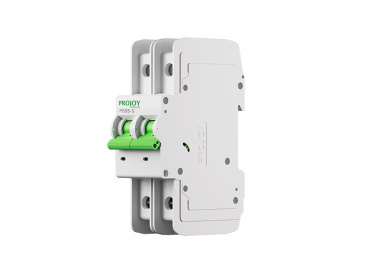
PEBS-S-80 (UL)
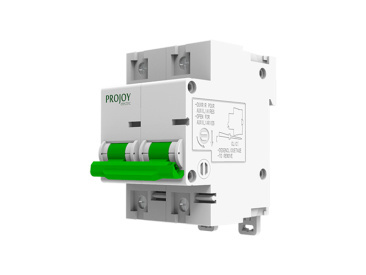
PEBS-L (80V/160V,63A/125A)
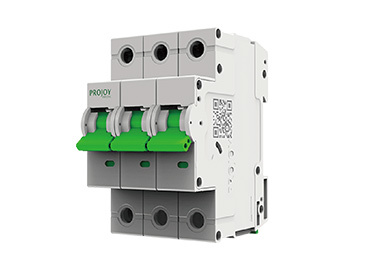
PEBS-H (250-1000V,63A/125A)
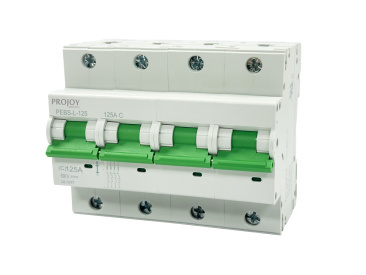
PEBS-L-125 (UL1077)

PEBS-H-50
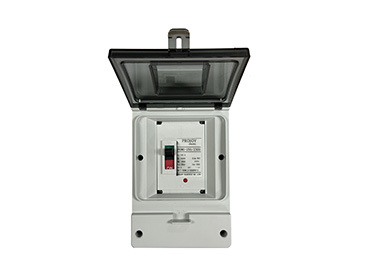
Weatherproof Enclosure (PEMC Series )

DC MCCB (PEMC Series)
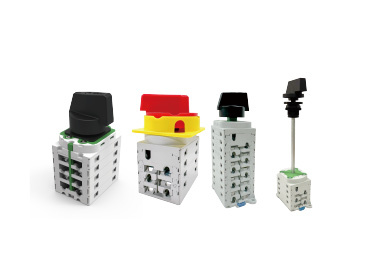
PEDS (1500V,16~55A) Series
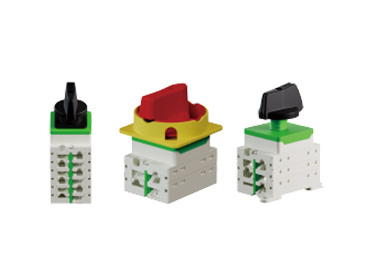
PEDS-H-R/F (1500V,16~55A) Series
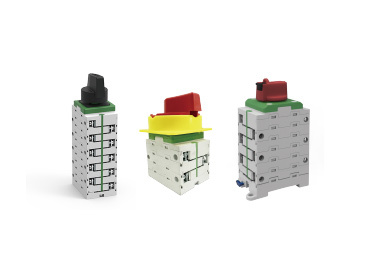
PEDS-H (1500V;40A,50A) Series
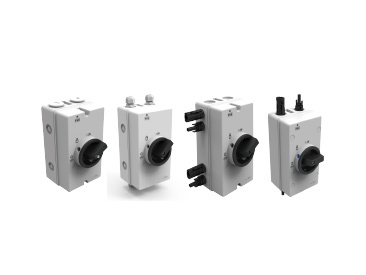
PEDS-EL (16~55A) / PEDSC-EL (32A)
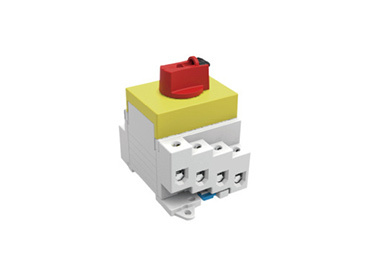
PEDSC (1000V&1200V;32A) Series
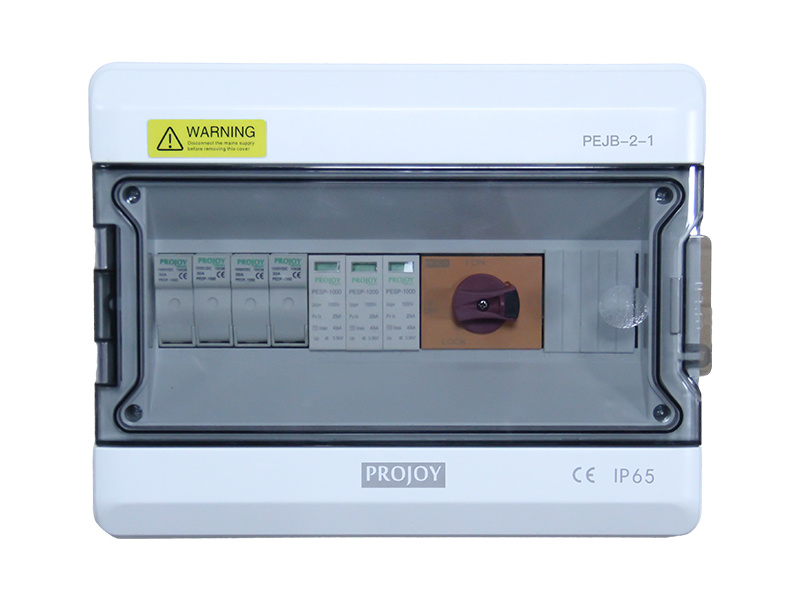
DC Combiner Box (PEJB Series)
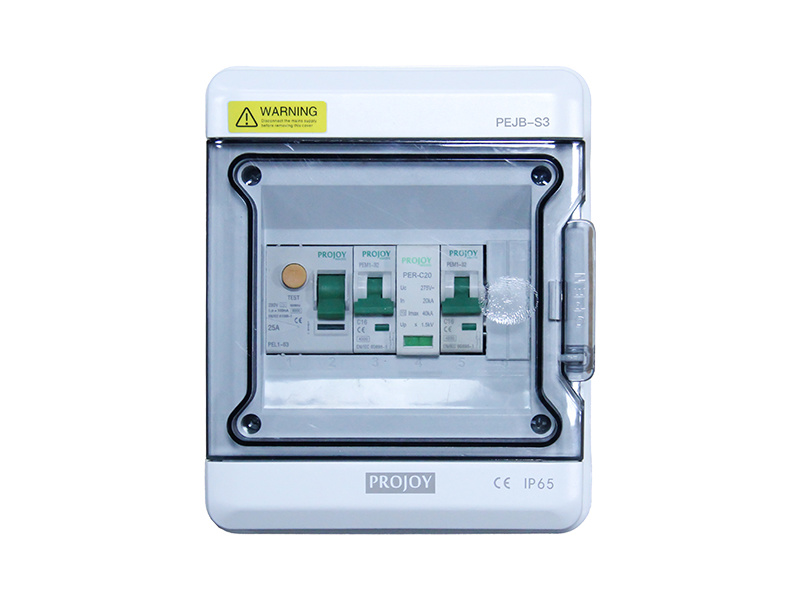
AC Combiner Box (PEDB Series)

DC&AC Combiner Box (PEJDB Series)

EPS Box
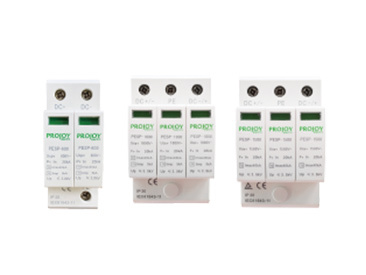
DC SPD PESP Series (Standard)
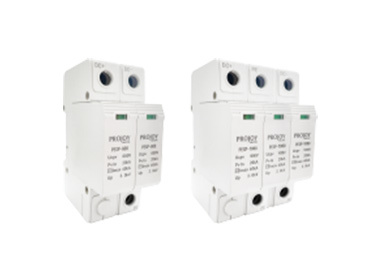
DC SPD PESP Series (Advanced)
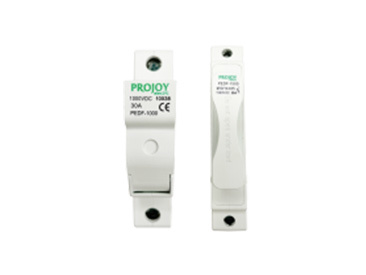
DC FUSE (PEDF Series)

DC Contactor (PEDC Series)
-
-
-
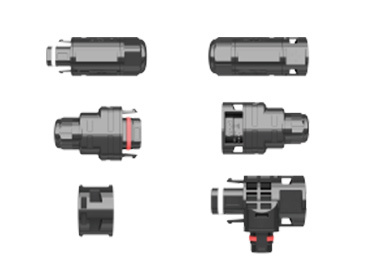






Rapid Shutdown: Enhancing Safety in High-Rise Construction
Rapid Shutdown: Enhancing Safety in High-Rise Construction
Table of Contents
- 1. Introduction to Rapid Shutdown in High-Rise Construction
- 2. The Importance of Safety in High-Rise Projects
- 3. What is Rapid Shutdown?
- 4. Mechanics of Rapid Shutdown Systems
- 5. Benefits of Implementing Rapid Shutdown Systems
- 6. Technological Innovations in Rapid Shutdown
- 7. Case Studies: Successful Implementations
- 8. Regulatory Compliance and Rapid Shutdown
- 9. Future Trends in High-Rise Safety Management
- 10. Frequently Asked Questions
- 11. Conclusion
1. Introduction to Rapid Shutdown in High-Rise Construction
High-rise construction presents unique challenges, particularly regarding safety. With workers and equipment operating at significant heights, the potential for dangerous situations increases. Rapid shutdown systems play an essential role in minimizing risks associated with emergencies, such as fires or structural failures. Understanding the intricacies of these systems can help stakeholders ensure the safety of their construction sites.
2. The Importance of Safety in High-Rise Projects
The safety of construction workers and the surrounding community is paramount in high-rise projects. Each year, construction sites experience a variety of risks, including falls, electrical failures, and fire hazards. According to the Occupational Safety and Health Administration (OSHA), there are approximately 20% of worker fatalities in the construction industry alone. Developing comprehensive safety protocols, including effective rapid shutdown systems, is crucial for reducing these statistics.
3. What is Rapid Shutdown?
Rapid shutdown refers to the immediate cessation of all operations and the connection to power sources in response to an emergency. This system allows for quick action, limiting the potential for injury or damage. In high-rise buildings, rapid shutdown mechanisms include electrical systems, mechanical systems, and emergency alarms designed to protect both personnel and equipment.
4. Mechanics of Rapid Shutdown Systems
The mechanics of rapid shutdown systems are complex and involve various components that work together seamlessly. Key elements include:
4.1 Electrical Shutdown Mechanisms
Electrical shutdown mechanisms cut off power to critical systems in emergencies. These systems typically involve:
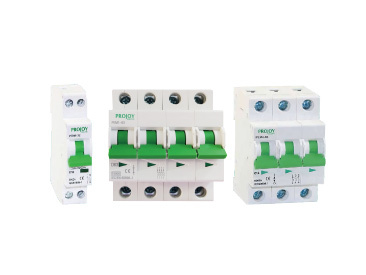
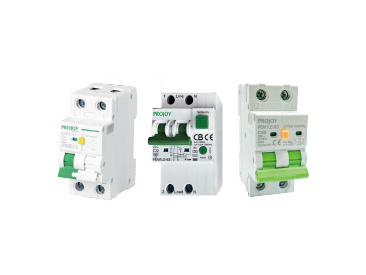
- **Circuit breakers**: Automatically disconnected under fault conditions to prevent electrical fires.
- **Emergency stop buttons**: Installed at various points throughout the construction site to provide quick access for workers.
4.2 Mechanical Shutdown Systems
Mechanical components, such as hydraulic lifts and cranes, also require shutdown mechanisms to ensure safety. Features may include:
- **Emergency stop controls**: Allowing operators to stop machinery instantly during crises.
- **Fail-safe systems**: Designed to deactivate or control equipment to prevent accidents.
4.3 Integration of Safety Alarms
Safety alarms are critical in a rapid shutdown framework. These alarms alert workers to evacuate and trigger systems to shut down:
- **Fire alarms**: Activate fire suppression systems and initiate electrical shutdowns.
- **Smoke detectors**: Work in tandem with alarms to provide early warnings, enhancing response times.
5. Benefits of Implementing Rapid Shutdown Systems
Implementing rapid shutdown systems in high-rise construction offers numerous benefits, including:
5.1 Enhanced Worker Safety
The primary objective of rapid shutdown systems is to safeguard workers. By minimizing exposure to hazardous conditions, these systems help prevent injuries and fatalities.
5.2 Reduced Property Damage
Quickly shutting down operations can limit the extent of property damage during an emergency, preserving valuable equipment and materials.
5.3 Compliance with Regulations
Adopting rapid shutdown protocols ensures compliance with legal safety standards. This not only mitigates liabilities but also enhances the reputation of construction firms.
5.4 Improved Emergency Response
Rapid shutdown systems facilitate a proactive approach to emergencies. By quickly halting operations, emergency responders can address situations more effectively.
6. Technological Innovations in Rapid Shutdown
The advancement of technology has greatly influenced rapid shutdown systems. Innovative solutions include:
6.1 Smart Sensors and IoT Integration
The Internet of Things (IoT) has revolutionized safety protocols in construction. Smart sensors monitor conditions in real-time and can automatically trigger shutdown procedures based on predefined parameters.
6.2 Robotics and Automation
The use of robotics in high-rise construction allows for safer operations and quicker shutdown responses. Robots can perform tasks in hazardous environments, reducing worker risk.
6.3 Advanced Data Analytics
Data analytics can predict potential emergencies by analyzing patterns from previous incidents. This predictive capability leads to more effective preventive measures and rapid shutdown protocols.
7. Case Studies: Successful Implementations
Examining successful implementations of rapid shutdown systems can provide valuable insights:
7.1 Case Study: The Burj Khalifa
The Burj Khalifa, the tallest building in the world, employs state-of-the-art rapid shutdown systems. During construction, the project team implemented an integrated system that allowed for immediate emergency responses, significantly enhancing worker safety.
7.2 Case Study: One World Trade Center
One World Trade Center has advanced rapid shutdown mechanisms that ensure safety during emergencies. The building's design incorporates multiple layers of safety protocols, allowing for swift and effective shutdowns when necessary.
8. Regulatory Compliance and Rapid Shutdown
Adhering to safety regulations is a vital aspect of high-rise construction. Rapid shutdown systems play a pivotal role in meeting these requirements, including:
8.1 OSHA Standards
OSHA mandates specific safety protocols for construction sites. Implementing rapid shutdown systems ensures compliance and reduces the risk of fines and legal repercussions.
8.2 Local Regulations
Local building codes may impose additional safety requirements, including rapid shutdown capabilities. Staying informed about these regulations is essential for construction firms.
9. Future Trends in High-Rise Safety Management
The future of high-rise safety management will likely see further advancements in rapid shutdown systems:
9.1 Increased Focus on Sustainability
As sustainability becomes a priority in construction, rapid shutdown systems will evolve to include eco-friendly technologies that minimize environmental impacts during emergencies.
9.2 Enhanced Training and Education
Training programs will increasingly emphasize the importance of rapid shutdown systems, ensuring that workers understand how to use them effectively in emergencies.
10. Frequently Asked Questions
10.1 What is the main purpose of a rapid shutdown system?
The primary purpose of a rapid shutdown system is to quickly halt operations and disconnect power during emergencies, ensuring the safety of workers and minimizing potential hazards.
10.2 How does a rapid shutdown system enhance worker safety?
By providing immediate cessation of operations in emergencies, rapid shutdown systems reduce the risk of injuries and fatalities among construction workers.
10.3 What technologies are involved in rapid shutdown systems?
Technologies include electrical shutdown mechanisms, mechanical controls, safety alarms, smart sensors, and data analytics.
10.4 Are rapid shutdown systems mandatory in high-rise construction?
While regulations may vary, many jurisdictions require rapid shutdown systems as part of their safety protocols in high-rise construction.
10.5 How can construction firms ensure compliance with rapid shutdown regulations?
Construction firms can ensure compliance by staying informed about local and federal regulations, training workers, and implementing effective rapid shutdown systems.
11. Conclusion
Rapid shutdown systems are vital for enhancing safety in high-rise construction. By understanding their mechanics, benefits, and regulatory requirements, stakeholders can create safer work environments that protect both workers and property. As technology continues to advance, the integration of innovative solutions into these systems will further drive improvements in safety management. Embracing these changes will not only help construction firms comply with regulations but also establish a reputation for prioritizing safety in the ever-evolving landscape of high-rise construction.
More News
A professional electrical equipment manufacturer & Solar Safety Solution provider.


Copyright © 2025 Projoy Electric Co., Ltd.