
-

PEBS-H-175

PEBS-H-125

PEBS-H-63

PEBS-H-50

PEBS-S-80 (UL)

PEBS-L-175

PEBS-L-125

PEBS-L-125 (UL1077)

PEBS-L-63

MCB Weatherproof Enclosure (PEBS Series)

DC MCCB (PEMC Series)

PEDS (1500V,16~55A) Series

PEDS-H-R/F (1500V,16~55A) Series

PEDS-H (1500V;40A,50A) Series

PEDS-EL (16~55A) / PEDSC-EL (32A)

PEDSC (1000V&1200V;32A) Series

Remote Tripping Isolator (PERD-100/100T series)

DC Combiner Box (PEJB Series)

AC Combiner Box (PEDB Series)

DC&AC Combiner Box (PEJDB Series)

Intelligent PV Combiner Box (PEJB Series)
-
-
-


Understanding AC Connectors: Essential Insights for Electrical Professionals
AC connectors are a pivotal component within the electrical and electronics sector, enabling the safe and efficient transfer of alternating current (AC) power. As a professional in this field, understanding the various types of AC connectors, their applications, and best practices can significantly enhance your expertise and operational efficiency.
AC connectors serve to connect electrical devices to power sources, facilitating the transmission of AC electricity. They come in several configurations, each designed to meet specific industry standards and safety requirements. Common types include standard plug configurations, heavy-duty connectors, and specialized connectors for various applications. Familiarizing yourself with these types will not only improve your installation practices but also ensure compliance with electrical codes.
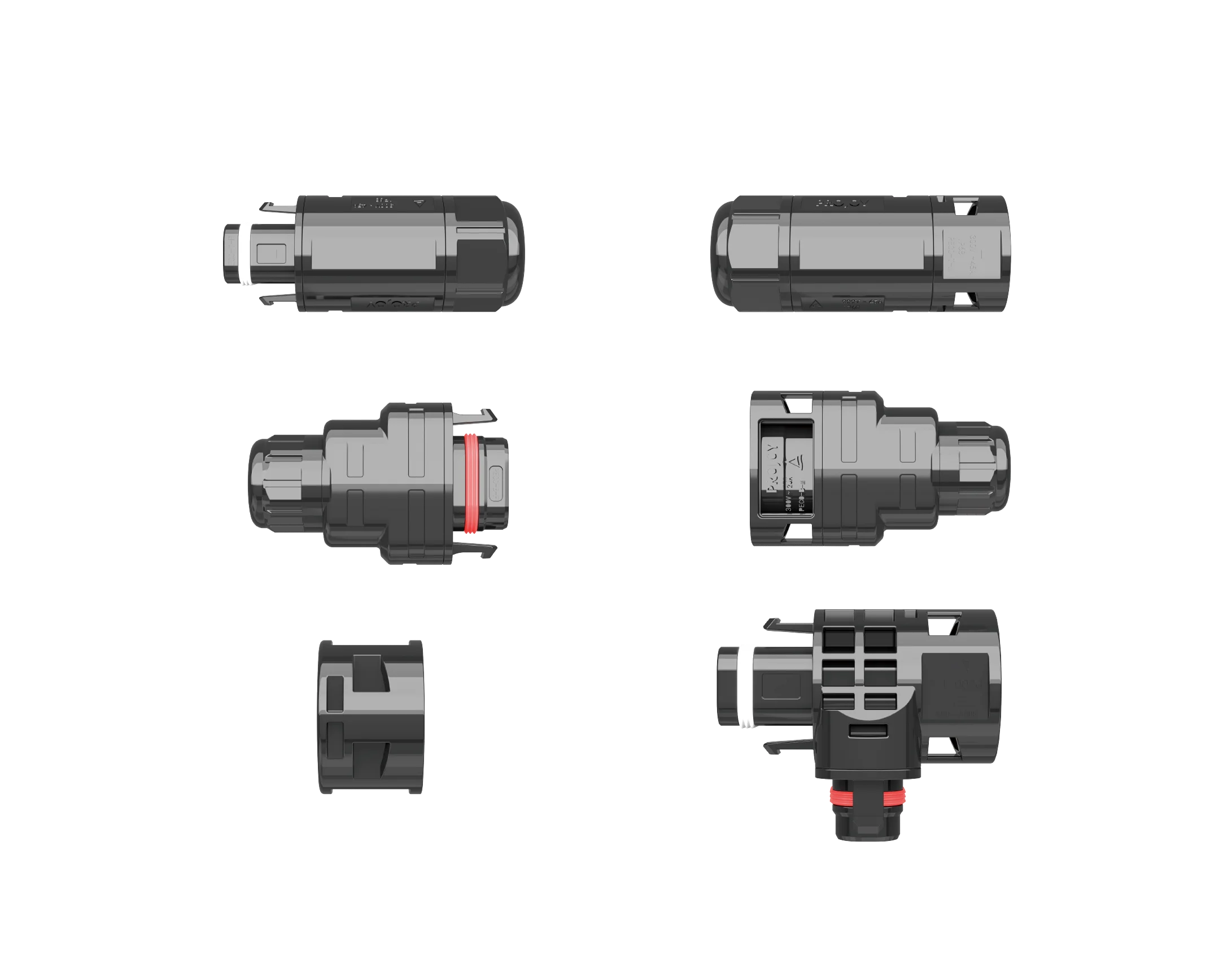
One of the critical factors to consider when working with AC connectors is their ratings. Each connector is rated based on its current-carrying capacity, voltage rating, and environmental resistance. When selecting an AC connector for a particular application, ensure it meets or exceeds the requirements of the devices involved. This is crucial to prevent overheating, electrical arcing, and potential hazards.
Moreover, the materials used in the manufacturing of AC connectors play a significant role in their performance and longevity. High-quality connectors are often made from materials that resist corrosion, wear, and mechanical stress. Conductors, typically made of copper or aluminum, are engineered for optimal conductivity while connectors' housings are designed to withstand environmental challenges like moisture and dust.
Installation practices are equally important when dealing with AC connectors. Proper wiring techniques, secure connections, and adherence to voltage ratings are essential to ensure operational safety and efficiency. It is advisable to follow industry guidelines and manufacturer specifications during installation to mitigate risks associated with poor connectivity and electrical faults.
Maintenance of AC connectors cannot be overlooked. Regular inspections for wear and tear, corrosion, and loose connections can prevent unexpected failures and prolong the life of your electrical systems. In environments where connectors are subject to harsh conditions, such as outdoor installations or industrial settings, consider using weatherproof or industrial-grade connectors designed for increased durability.
In conclusion, AC connectors are integral to the functionality of electrical systems across various applications. By understanding their types, ratings, materials, installation practices, and maintenance needs, professionals can ensure the reliability and safety of their electrical installations. Whether you are involved in design, installation, or maintenance, a comprehensive knowledge of AC connectors will empower you to make informed decisions and bolster your operational effectiveness.
More News
A professional electrical equipment manufacturer & Solar Safety Solution provider.


Copyright © 2025 Projoy Electric Co., Ltd.