
-
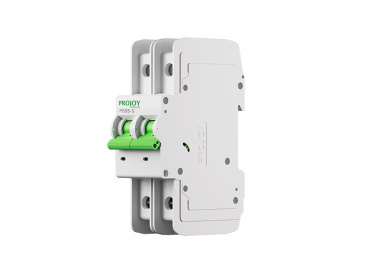
PEBS-S-80 (UL)
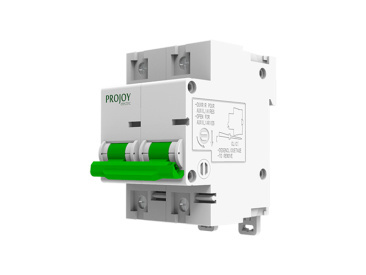
PEBS-L (80V/160V,63A/125A)
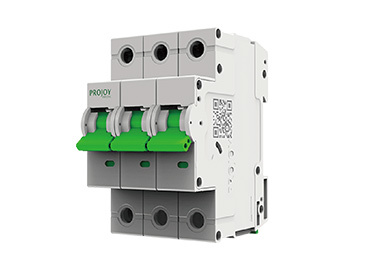
PEBS-H (250-1000V,63A/125A)
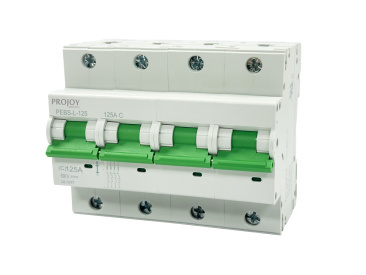
PEBS-L-125 (UL1077)

PEBS-H-50
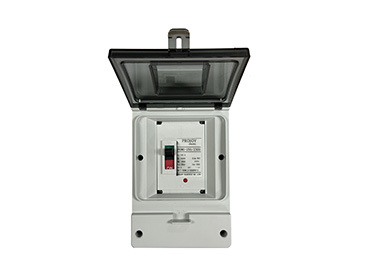
Weatherproof Enclosure (PEMC Series )

DC MCCB (PEMC Series)
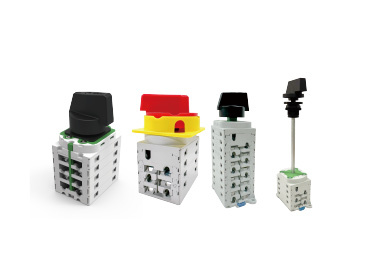
PEDS (1500V,16~55A) Series
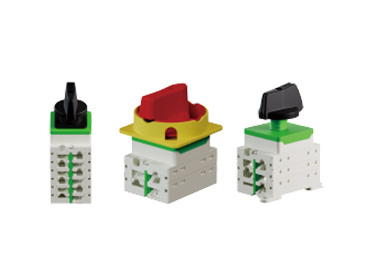
PEDS-H-R/F (1500V,16~55A) Series
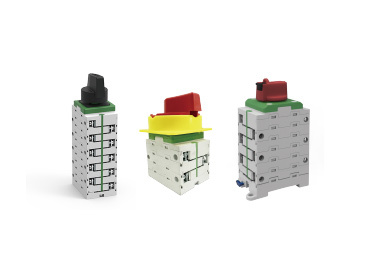
PEDS-H (1500V;40A,50A) Series
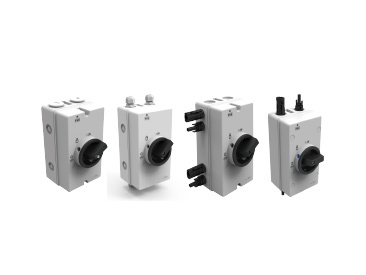
PEDS-EL (16~55A) / PEDSC-EL (32A)
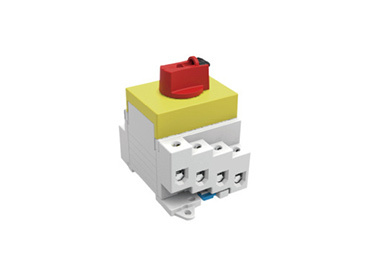
PEDSC (1000V&1200V;32A) Series
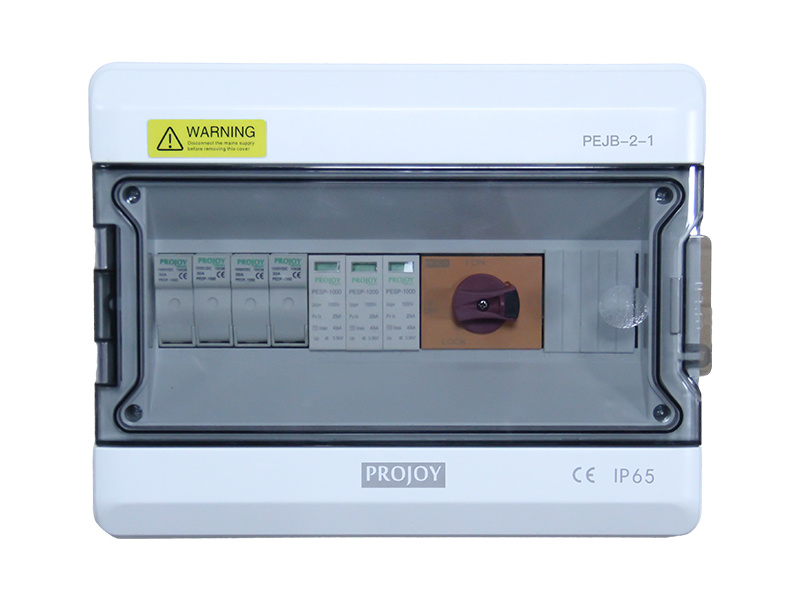
DC Combiner Box (PEJB Series)
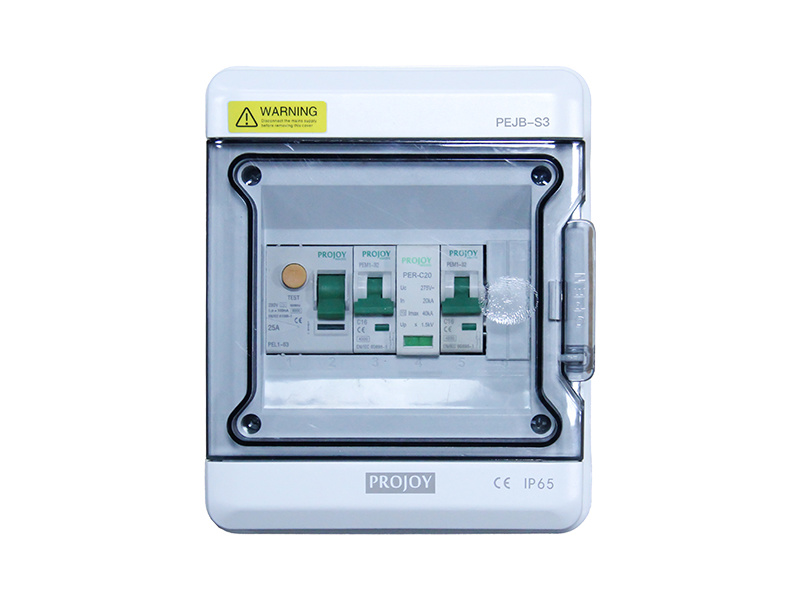
AC Combiner Box (PEDB Series)

DC&AC Combiner Box (PEJDB Series)

EPS Box
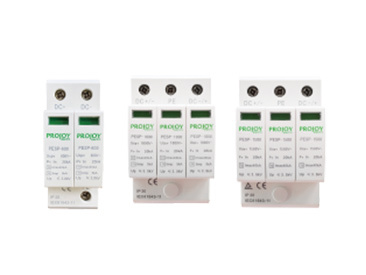
DC SPD PESP Series (Standard)
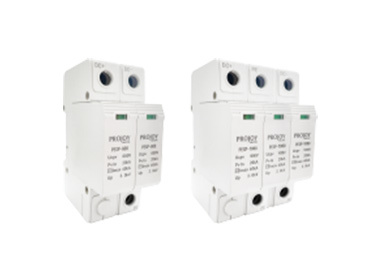
DC SPD PESP Series (Advanced)
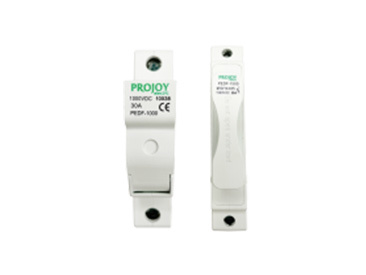
DC FUSE (PEDF Series)

DC Contactor (PEDC Series)
-
-
-
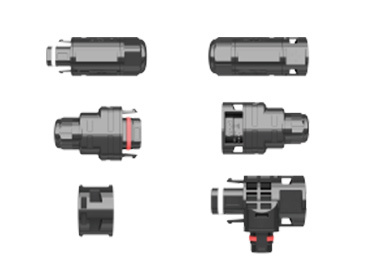
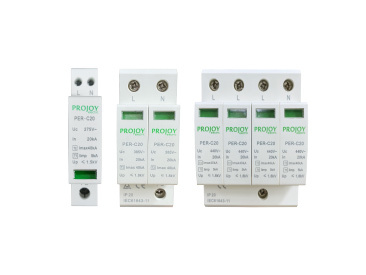
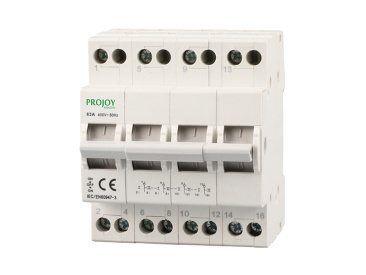
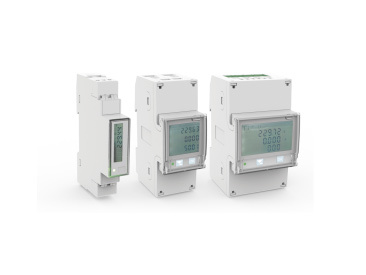

How to Properly Install AC Connectors: Step-by-Step Guide for Optimal Performance
How to Properly Install AC Connectors: Step-by-Step Guide for Optimal Performance
Table of Contents
- 1. Introduction to AC Connectors
- 2. Importance of Proper Installation
- 3. Types of AC Connectors
- 4. Tools Required for Installation
- 5. Pre-Installation Checklist
- 6. Step-by-Step Installation Process
- 7. Common Mistakes to Avoid
- 8. Troubleshooting Installation Issues
- 9. Conclusion
- 10. Frequently Asked Questions
1. Introduction to AC Connectors
Air conditioning systems rely heavily on **AC connectors** for efficient operation. These connectors are pivotal in establishing electrical connections between various components, ensuring that the system functions seamlessly. Proper installation is crucial, as it directly impacts the reliability and longevity of your AC unit.
2. Importance of Proper Installation
Installing AC connectors correctly is essential for several reasons:
- **Safety**: A poorly installed connector can lead to electrical hazards.
- **Efficiency**: Proper connections enhance the efficiency of electrical flow, impacting overall performance.
- **Longevity**: Well-installed connectors typically last longer, reducing the need for frequent replacements.
- **Cost-Effectiveness**: Investing time in a proper installation reduces maintenance costs in the long run.
3. Types of AC Connectors
Various types of AC connectors serve different purposes. Understanding these types helps in selecting the right one for your installation.
3.1 Plug Connectors
Plug connectors are commonly used to connect the AC unit to the power source. They come in various configurations, fitting different electrical specifications.
3.2 Socket Connectors
Socket connectors receive plug connectors, completing the electrical circuit. They are often mounted on walls or within equipment.
3.3 Terminal Connectors
Terminal connectors are used for direct connections within electrical panels. They offer a secure way to connect wires without the need for additional hardware.
4. Tools Required for Installation
Having the right tools is vital for a smooth installation process. Below is a list of essential tools you’ll need:
- **Screwdriver Set**: For securing connectors.
- **Wire Strippers**: To prepare wires for connection.
- **Crimping Tool**: For creating secure electrical connections.
- **Multimeter**: To measure electrical properties and ensure proper setup.
- **Heat Shrink Tubing**: For insulation and protection of exposed wires.
- **Electrical Tape**: To wrap and secure connections.
5. Pre-Installation Checklist
Before starting the installation, it’s crucial to conduct a pre-installation checklist to ensure everything is in order:
- **Power Off**: Ensure the electricity is turned off at the breaker panel.
- **Inspect Connectors**: Check all connectors for damage or wear.
- **Gather Tools**: Assemble all necessary tools within reach.
- **Review Instructions**: Familiarize yourself with the manufacturer's guidelines.
- **Safety Gear**: Wear appropriate safety gear, including gloves and goggles.
6. Step-by-Step Installation Process
Follow these steps for a successful installation of AC connectors:
6.1 Step 1: Prepare the Wires
Use wire strippers to remove the insulation from the ends of the wires being connected. Ensure you strip only enough to expose the copper, typically about half an inch.
6.2 Step 2: Connect the Wires
Depending on the type of connector, either plug, socket, or terminal, connect the wires securely.
- For **plug connectors**, insert the stripped wire into the designated slot and tighten the screws.
- For **socket connectors**, match the corresponding wires and push them into place.
- For **terminal connectors**, use a crimping tool to secure the wire firmly.
6.3 Step 3: Insulate Connections
After securing the connections, cover them with heat shrink tubing or electrical tape to prevent any exposure, which can lead to short circuits.
6.4 Step 4: Test the Connections
Once all connections are made, use a multimeter to test for continuity. This step ensures that there are no faults in the installation.
6.5 Step 5: Re-establish Power
After confirming that everything is correctly connected, turn the power back on at the breaker panel.
6.6 Step 6: Final Check
Run the AC unit to ensure it operates smoothly. Listen for any unusual sounds and check for proper airflow.
7. Common Mistakes to Avoid
Even experienced installers can make mistakes. Here are some common pitfalls to watch out for:
- **Neglecting Safety Protocols**: Always prioritize safety—turn off power before starting.
- **Improper Wire Stripping**: Stripping too much insulation can lead to shorts or exposed wires.
- **Loose Connections**: Ensure all connections are tight to avoid failures.
- **Ignoring Manufacturer Guidelines**: Always refer to the specific requirements of the connectors you are using.
8. Troubleshooting Installation Issues
If you encounter issues after installation, consider the following troubleshooting tips:
8.1 Issue: AC Unit Not Turning On
Check the power supply and ensure that the connections are secure. Use a multimeter to test for voltage.
8.2 Issue: Unusual Noises
Listen for any rattling or buzzing, which may indicate loose connections or faulty components.
8.3 Issue: Inconsistent Performance
Verify that all connectors are properly insulated and that there are no exposed wires causing shorts.
9. Conclusion
Installing AC connectors properly is vital for the optimal performance and safety of your air conditioning system. By following this step-by-step guide, you can ensure that your installation is conducted with precision. With the right tools and techniques, you can avoid common pitfalls and enjoy a well-functioning AC unit for years to come.
10. Frequently Asked Questions
FAQ 1: How often should I install or replace AC connectors?
It is recommended to inspect AC connectors annually and replace them if they show signs of wear or damage.
FAQ 2: Can I install AC connectors myself, or should I hire a professional?
If you have basic electrical knowledge and tools, you can install connectors yourself. However, hiring a professional is advisable for those unfamiliar with electrical work.
FAQ 3: What safety precautions should I take during installation?
Always turn off the power at the breaker panel, wear appropriate safety gear, and use insulated tools.
FAQ 4: How can I tell if my AC connectors are faulty?
Signs of faulty connectors include overheating, inconsistent performance, or visible damage.
FAQ 5: What should I do if I experience electrical shocks during installation?
Immediately stop the installation, turn off the power, and consult a licensed electrician to assess the situation. Safety should always be your priority.
This guide aims to equip you with the knowledge and confidence to successfully install AC connectors, contributing to a safe and efficient air conditioning experience.
More News
A professional electrical equipment manufacturer & Solar Safety Solution provider.


Copyright © 2025 Projoy Electric Co., Ltd.
Subscribe to our newsletter
Promotions, new products and sales. Directly to your inbox.