
-
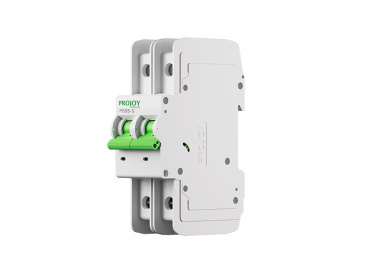
PEBS-S-80 (UL)
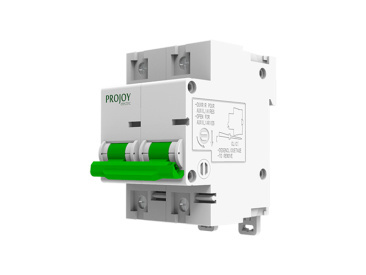
PEBS-L (80V/160V,63A/125A)
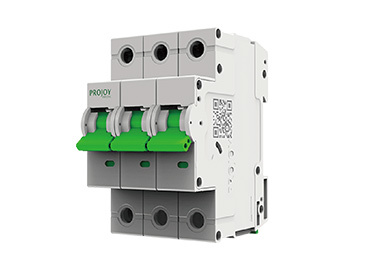
PEBS-H (250-1000V,63A/125A)
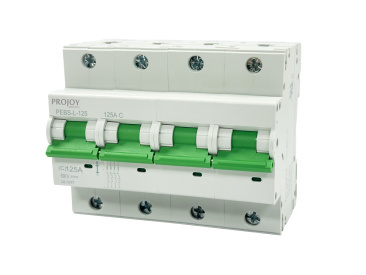
PEBS-L-125 (UL1077)

PEBS-H-50
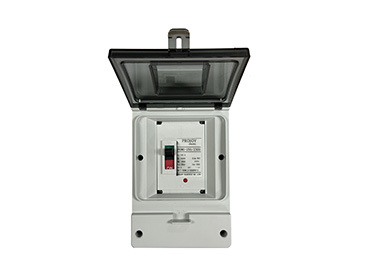
Weatherproof Enclosure (PEMC Series )

DC MCCB (PEMC Series)
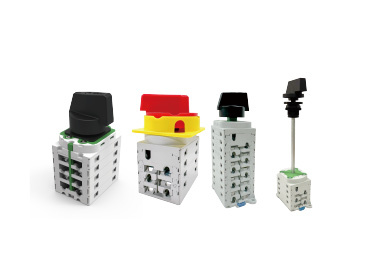
PEDS (1500V,16~55A) Series
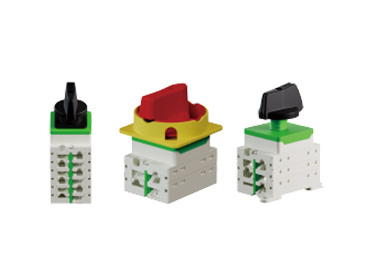
PEDS-H-R/F (1500V,16~55A) Series
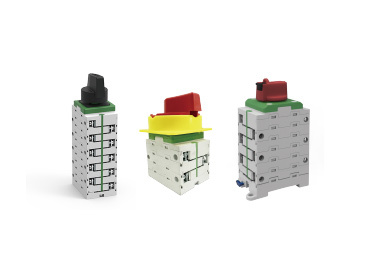
PEDS-H (1500V;40A,50A) Series
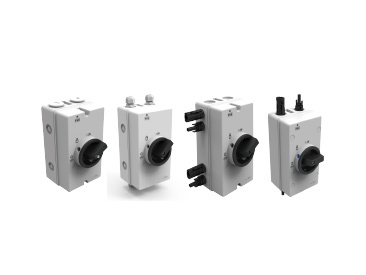
PEDS-EL (16~55A) / PEDSC-EL (32A)
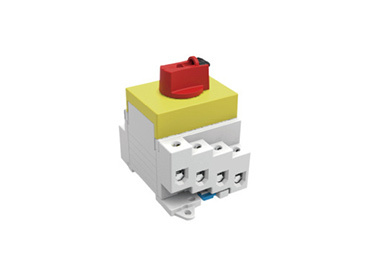
PEDSC (1000V&1200V;32A) Series
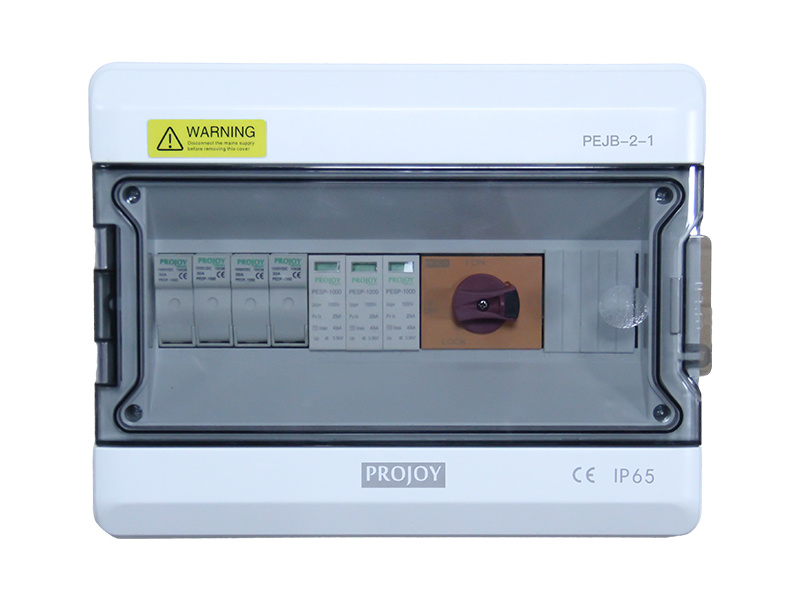
DC Combiner Box (PEJB Series)
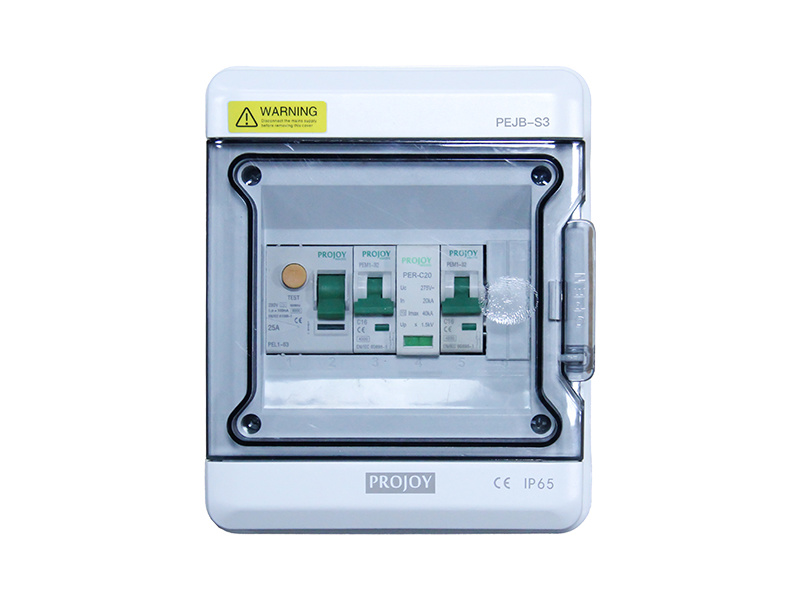
AC Combiner Box (PEDB Series)

DC&AC Combiner Box (PEJDB Series)

EPS Box
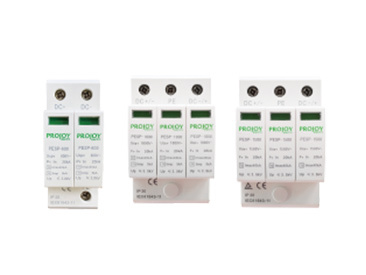
DC SPD PESP Series (Standard)
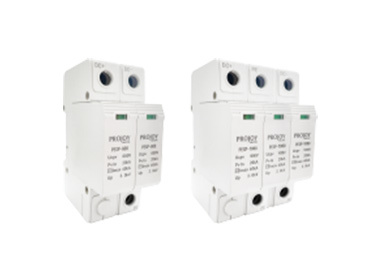
DC SPD PESP Series (Advanced)
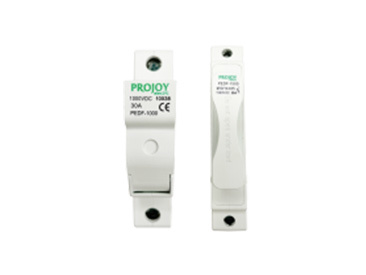
DC FUSE (PEDF Series)

DC Contactor (PEDC Series)
-
-
-
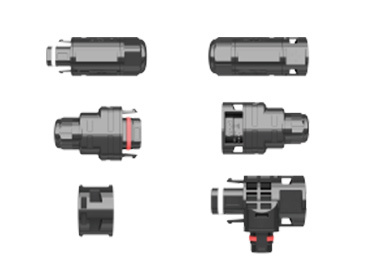
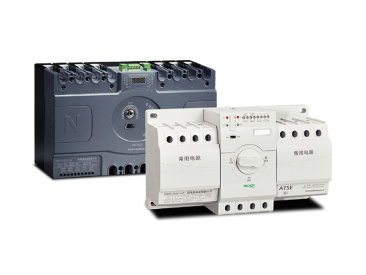
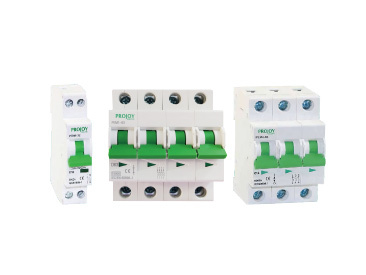
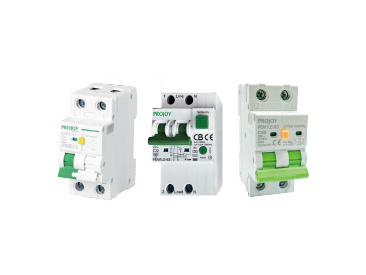
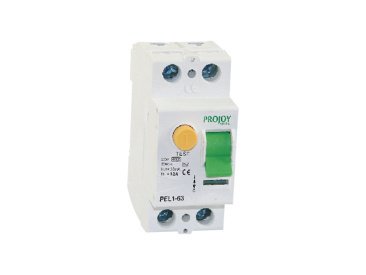

Understanding DC Circuit Breakers: Essential Insights for Professionals
One of the primary functions of a DC circuit breaker is to protect electrical circuits from overloads and short circuits. When an overload occurs, the circuit breaker interrupts the flow of current, preventing damage to components and ensuring the safety of the system. In DC applications, the breaker must operate effectively at higher voltages and with continuous current flow, as there is no zero-crossing point, which complicates the interruption process.
In addition to protecting circuits, DC circuit breakers are also essential in renewable energy systems, such as solar power installations. These systems often operate at high DC voltages, and effective circuit protection is crucial to maintain system integrity and efficiency. The use of DC circuit breakers in such applications not only safeguards the equipment but also enhances overall performance by allowing for quick disconnection during maintenance or fault conditions.
When selecting a DC circuit breaker, several key factors must be considered. The voltage rating is paramount, as it must align with the system’s operational parameters. Additionally, the current rating and the breaking capacity are vital to ensure the breaker can handle potential fault conditions without failing. Professionals should also consider the type of load—resistive, inductive, or capacitive—since this can influence the breaker’s performance and suitability for a given application.
Furthermore, while functionality is critical, reliability and longevity are equally important. The environment where the circuit breaker will be installed can affect its performance; for instance, exposure to extreme temperatures or humidity may necessitate a specialized design. Therefore, selecting a breaker that aligns with the specific environmental conditions is essential for maintaining operational efficiency and reducing maintenance costs.
In summary, DC circuit breakers play a vital role in protecting electronic circuits, especially in high voltage and renewable energy applications. Understanding their functions, specifications, and environmental considerations can significantly enhance the reliability and safety of electronic systems. For professionals in the industry, investing time in selecting the right DC circuit breaker can yield significant long-term benefits, ensuring both performance and safety in their applications.
More News
A professional electrical equipment manufacturer & Solar Safety Solution provider.


Copyright © 2025 Projoy Electric Co., Ltd.
Subscribe to our newsletter
Promotions, new products and sales. Directly to your inbox.