
-
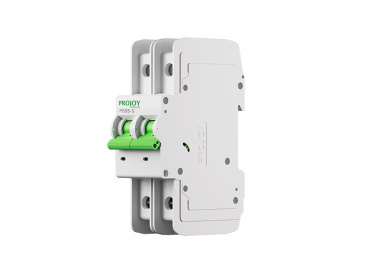
PEBS-S-80 (UL)
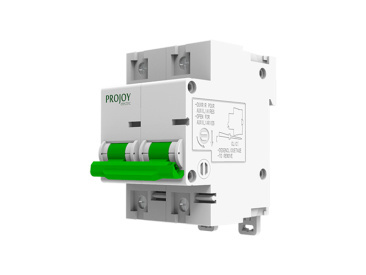
PEBS-L (80V/160V,63A/125A)
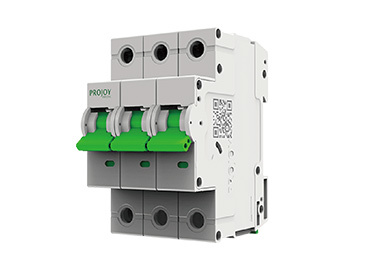
PEBS-H (250-1000V,63A/125A)
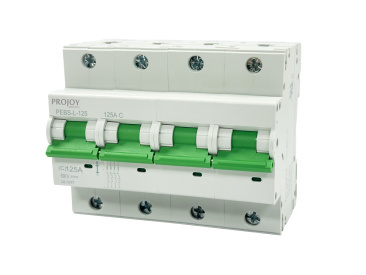
PEBS-L-125 (UL1077)

PEBS-H-50
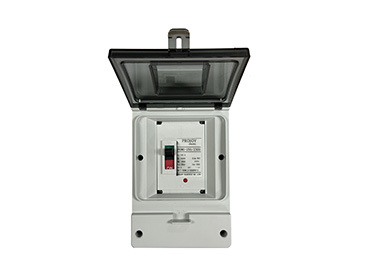
Weatherproof Enclosure (PEMC Series )

DC MCCB (PEMC Series)
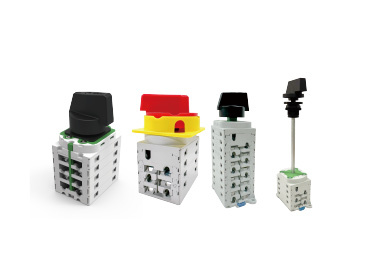
PEDS (1500V,16~55A) Series
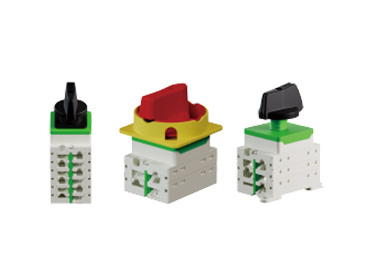
PEDS-H-R/F (1500V,16~55A) Series
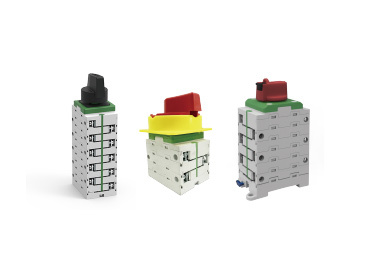
PEDS-H (1500V;40A,50A) Series
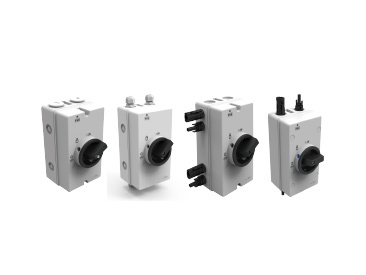
PEDS-EL (16~55A) / PEDSC-EL (32A)
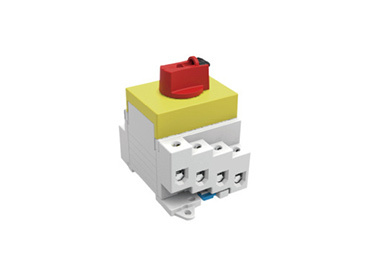
PEDSC (1000V&1200V;32A) Series
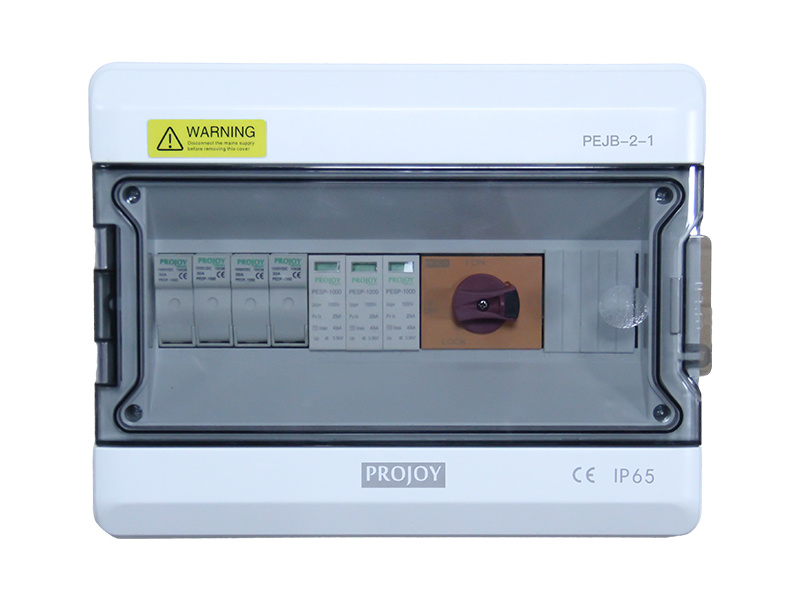
DC Combiner Box (PEJB Series)
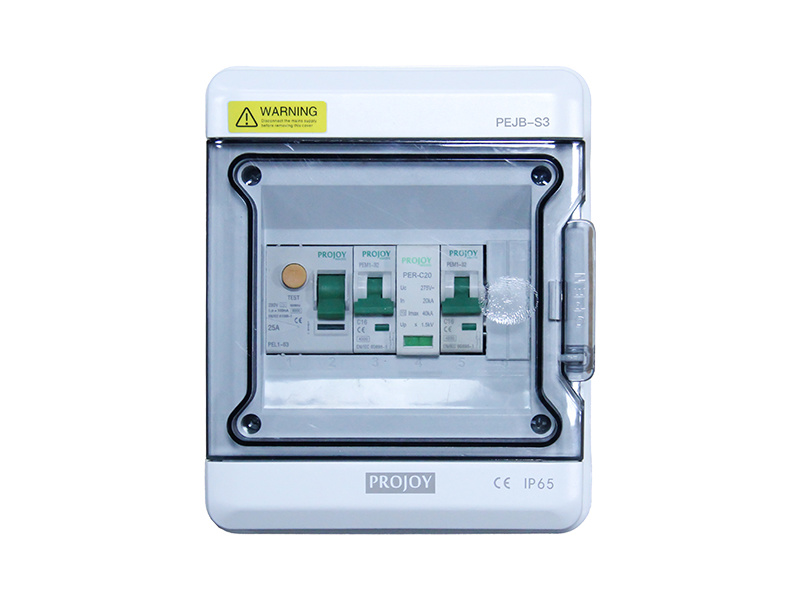
AC Combiner Box (PEDB Series)

DC&AC Combiner Box (PEJDB Series)

EPS Box
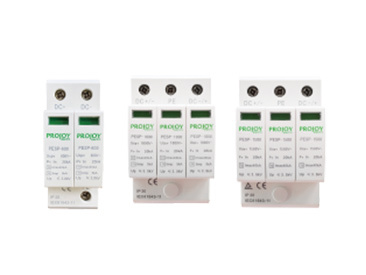
DC SPD PESP Series (Standard)
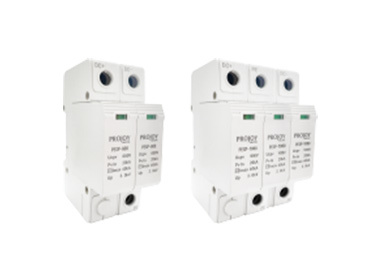
DC SPD PESP Series (Advanced)
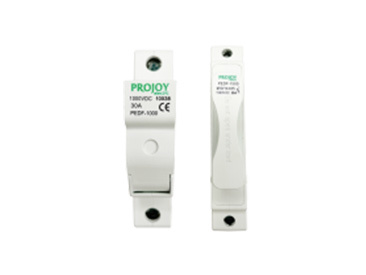
DC FUSE (PEDF Series)

DC Contactor (PEDC Series)
-
-
-
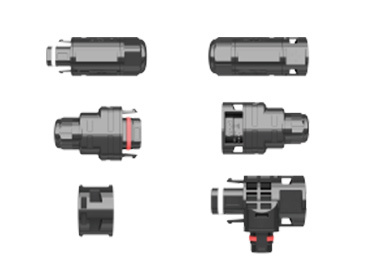

The Impact of AC Connector Quality on Overall System Reliability: Ensuring Optimal Performance
The Impact of AC Connector Quality on Overall System Reliability
Introduction to AC Connectors and Their Importance
In the world of electrical systems, **AC connectors** serve as critical components that facilitate the efficient transfer of electrical power. These connectors are not merely functional elements; they play a significant role in ensuring overall system reliability. The importance of AC connector quality cannot be overstated, as it directly influences the performance, safety, and longevity of various electrical applications.
Understanding AC Connectors: Types and Applications
What Are AC Connectors?
AC connectors are devices used to join electrical circuits, allowing for the safe transmission of alternating current (AC) electricity. These connectors come in various types, each designed for specific applications ranging from residential wiring to industrial machinery.
Common Types of AC Connectors
- **NEMA Connectors**: Widely used in North America, NEMA connectors are designed for a range of voltage ratings and applications.
- **IEC Connectors**: Internationally recognized, IEC connectors are used for a variety of electronic devices, ensuring a secure connection.
- **Industrial Connectors**: These robust connectors are designed for heavy-duty applications, often found in manufacturing and construction environments.
The Role of AC Connectors in System Reliability
How AC Connector Quality Affects Electrical Performance
The quality of AC connectors directly impacts the performance of electrical systems. Poor-quality connectors can lead to issues such as overheating, increased resistance, and voltage drops, ultimately compromising system reliability. High-quality connectors, on the other hand, ensure optimal conductivity and minimal power loss.
Factors Contributing to Connector Quality
Several factors contribute to the quality of AC connectors:
1. **Material Composition**: The materials used in connector manufacturing, such as copper or gold plating, significantly affect conductivity.
2. **Design Features**: Features like strain relief and protective casings enhance durability and performance.
3. **Manufacturing Standards**: Adherence to industry standards ensures that connectors meet safety and performance benchmarks.
Assessing the Quality of AC Connectors
Key Indicators of High-Quality Connectors
When evaluating AC connectors, consider the following indicators of quality:
- **Electrical Ratings**: Ensure connectors meet or exceed the voltage and current ratings required for your application.
- **Temperature Ratings**: High-quality connectors maintain performance across a wide temperature range, reducing the risk of failure.
- **Certifications**: Look for connectors that are certified by recognized organizations, indicating compliance with industry standards.
Common Failures in Low-Quality Connectors
Low-quality connectors can lead to various failures, including:
- **Overheating**: Poor conductivity can cause excessive heat build-up, leading to connector failure.
- **Corrosion**: Inadequate materials may corrode over time, compromising electrical connections.
- **Physical Damage**: Connectors lacking robust construction are more susceptible to damage from environmental factors.
Improving System Reliability Through High-Quality AC Connectors
The Benefits of Investing in Quality Connectors
Investing in high-quality AC connectors can yield numerous benefits for system reliability:
- **Enhanced Performance**: Quality connectors provide better electrical performance, reducing the risk of system outages.
- **Longer Lifespan**: Durable connectors withstand wear and tear, resulting in lower replacement costs over time.
- **Increased Safety**: High-quality connectors minimize the risk of electrical hazards, protecting both equipment and users.
Best Practices for Selecting AC Connectors
To choose the right AC connectors for your systems, follow these best practices:
- **Conduct Thorough Research**: Understand the specific requirements of your application and compare different connector options.
- **Consult with Experts**: Seek advice from professionals in the industry to ensure you're making informed decisions.
- **Prioritize Reputable Brands**: Choose connectors from established manufacturers known for their commitment to quality.
Recent Innovations in AC Connector Technology
Advancements in Connector Design
Recent innovations in AC connector technology have led to the development of connectors that offer improved performance and reliability. Features such as **smart connectors** with built-in sensors can monitor electrical parameters, providing real-time feedback on system health.
Eco-Friendly Connector Solutions
With increasing awareness of environmental issues, many manufacturers are now producing eco-friendly connectors. These products utilize sustainable materials and energy-efficient designs, contributing to greener electrical systems.
Real-World Implications of Connector Quality
Case Studies: The Impact of Connector Quality on System Reliability
Several case studies illustrate the importance of AC connector quality in real-world applications:
- **Industrial Machinery**: In a manufacturing facility, the shift from low-quality connectors to high-performance alternatives resulted in a 30% reduction in equipment downtime.
- **Residential Applications**: Homeowners who upgraded their electrical systems with quality connectors reported improved energy efficiency and reduced maintenance costs.
Frequently Asked Questions (FAQs)
1. What is the primary function of AC connectors?
AC connectors facilitate the connection of electrical circuits, enabling the transfer of alternating current power.
2. How do I know if an AC connector is of good quality?
Look for indicators such as certifications, material types, and temperature ratings that align with your application requirements.
3. Can poor-quality connectors lead to safety hazards?
Yes, low-quality connectors can increase the risk of overheating and electrical fires, posing safety hazards.
4. Are there specific brands known for high-quality AC connectors?
Yes, several reputable brands are recognized for their commitment to quality, including TE Connectivity, Amphenol, and Molex.
5. How often should I inspect my AC connectors?
Regular inspections are recommended to identify wear, damage, or corrosion. Depending on the application, inspections should be conducted at least annually.
Conclusion: Prioritizing Quality for Reliable Electrical Systems
In conclusion, the quality of AC connectors plays a vital role in the reliability and efficiency of electrical systems. Investing in high-quality connectors not only enhances performance but also ensures safety and longevity. By understanding the factors that contribute to connector quality and adhering to best practices in selection, we can significantly improve system reliability and reduce the risk of costly failures. As technology continues to advance, staying informed about the latest innovations in AC connector design will further enable us to optimize electrical systems for the future.
More News
A professional electrical equipment manufacturer & Solar Safety Solution provider.


Copyright © 2025 Projoy Electric Co., Ltd.
Subscribe to our newsletter
Promotions, new products and sales. Directly to your inbox.